Safe Car Wiring with 2‑Pin Connectors: Professional Tips for Shops & Fleets (2026)

Intro: One Bad Connection Can Cost $2,000 – or a Comeback
Faulty wiring is one of the most common causes of electrical failures in vehicles – flickering lights, intermittent sensors, and even engine stalling. Re‑wiring an entire car can cost up to $2,000, but the real cost for a shop or fleet is customer trust and safety.
A simple 2‑pin automotive connector – when chosen and installed correctly – creates a reliable, vibration‑proof, weather‑resistant connection that eliminates many of these problems.
For professional installers, safe wiring is not optional: it is a liability and reputation issue. In this guide you will learn:
Essential safety practices (tools, PPE, battery disconnection)
Why 2‑pin connectors are a workhorse for power and ground circuits
Step‑by‑step professional installation techniques
Common mistakes and how to avoid them
2026 trends affecting low‑voltage wiring
Why LEADSIGN offers reliable 2‑pin and sealed connector solutions
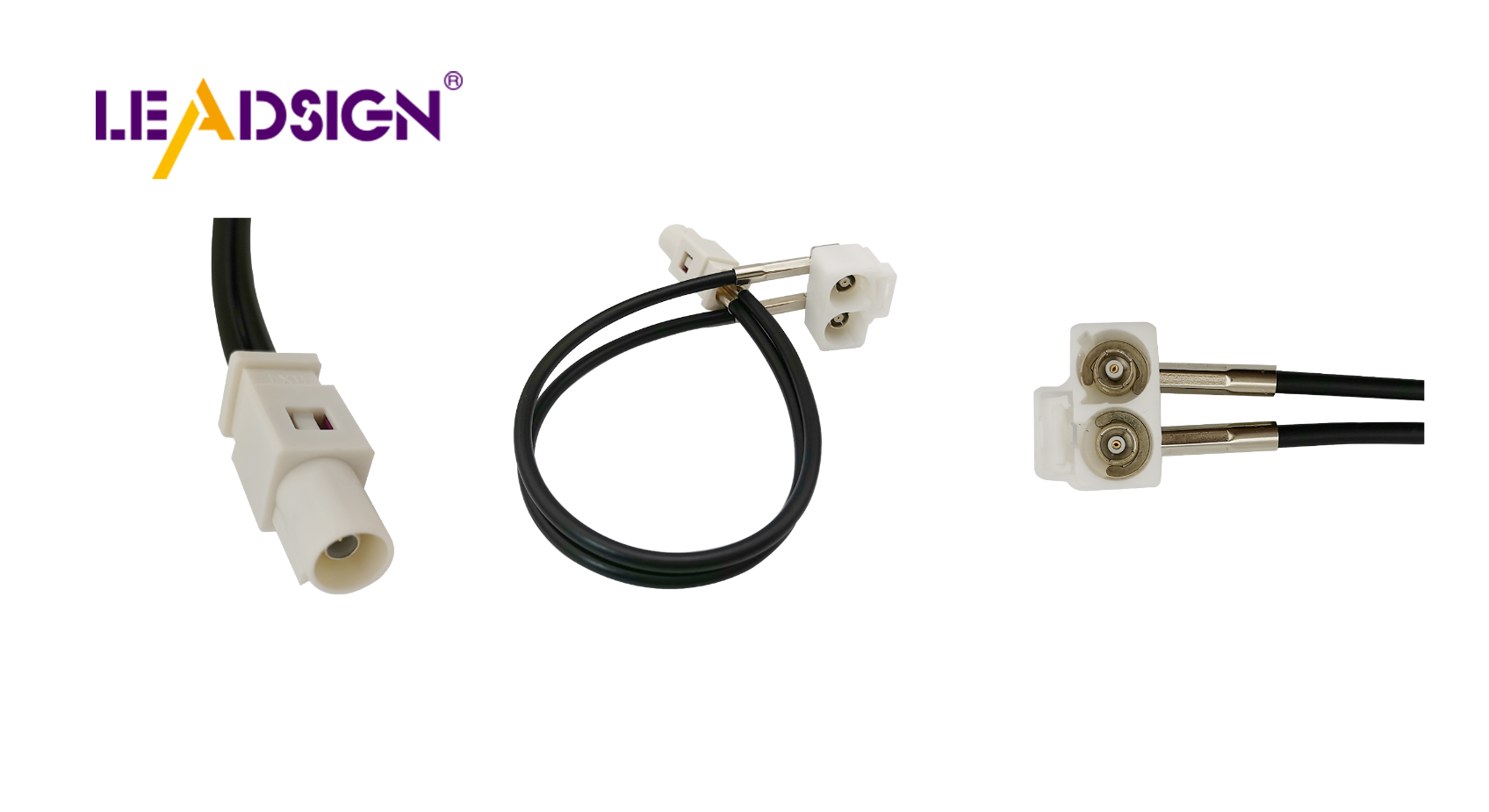
1. Car Wiring Safety Basics – What Every Pro Knows
Before touching any wire, follow these non‑negotiable safety rules:
Rule | Why |
|---|---|
Disconnect the battery (negative terminal first) | Eliminates risk of short circuits, sparks, or electric shock. |
Use insulated tools | Prevents accidental contact with live terminals. |
Wear protective gear | Safety glasses and insulated gloves protect against sparks and cuts. |
Work in a dry, well‑lit area | Reduces risk of slips and electrical conduction through moisture. |
Keep a fire extinguisher nearby | Class C (electrical) rated – for unexpected shorts. |
Pro tip: After disconnecting the battery, wait 10 minutes for airbag backup capacitors to discharge.
2. Why 2‑Pin Automotive Connectors Are Essential for Safe Wiring
2‑pin connectors are the standard for many low‑current (up to 15‑20A) automotive circuits: lights, sensors, small motors, and accessory power.
Key benefits for professional use:
Benefit | Why It Matters |
|---|---|
Polarised / keyed housings | Prevents reverse polarity connection – no accidental short. |
Sealed (IP67) options | For underbody, engine bay, or exterior use – prevents corrosion. |
Secondary lock / CPA | Vibration‑proof – no loosening on rough roads. |
Easy diagnostics | 2‑pin allows quick voltage / continuity testing. |
Cost‑effective | Lower cost per circuit than multi‑pin connectors, ideal for simple power/ground pairs. |
Where you should use 2‑pin connectors in your shop:
Reverse camera power (12V + ground)
LED light bars
Aftermarket horns, fans, pumps
Trailer wiring (auxiliary circuits)
Speaker connections (with appropriate gauge)
Where NOT to use 2‑pin connectors:
High‑current circuits (>30A) – use larger terminals.
High‑speed data (video, USB, Ethernet) – use FAKRA or HSD instead.
3. Professional Installation Steps for 2‑Pin Connectors
✅ Tools You’ll Need
Ratcheting crimper with interchangeable dies
Wire stripper (auto‑adjusting)
Heat gun (for heat‑shrink sealed connectors)
Multimeter (continuity & voltage)
Dielectric grease (optional, for extra moisture protection)
✅ Step‑by‑Step
Prepare the wires – strip 5‑8mm of insulation. Do not nick the copper strands.
Select correct crimp terminal – match wire gauge (e.g., 18‑22 AWG, 16‑14 AWG).
Crimp the terminal – use the correct die; perform a pull test (5‑10 lbs) – wire must not pull out.
Insert terminal into housing – listen for a click; gently tug to confirm retention.
If sealed (IP67): ensure rubber seal is correctly positioned; sometimes pre‑attached to wire.
Mate the connector – push until secondary lock engages (if present).
Test – use multimeter on continuity mode; also test for unintended shorts between pins.
Pro tip for fleets: Pre‑assemble pigtails (connector + 15cm wire) for common repairs. This speeds up field work and reduces errors.
Understanding 2 Pin Automotive Connectors
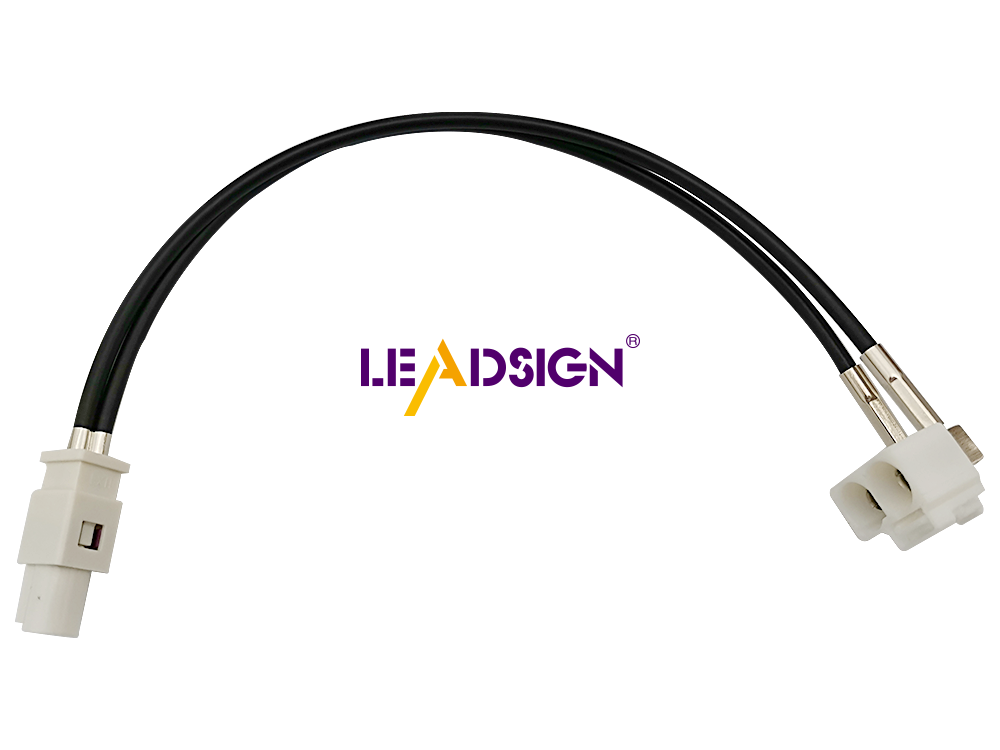
4. Common Mistakes (Even Experienced Technicians Make)
Mistake | Consequence | Prevention |
|---|---|---|
Using unsealed connector under vehicle | Water ingress → corrosion → failure in months | Use IP67‑rated 2‑pin connectors for exterior/underbody. |
Over‑crimping or under‑crimping | Loose connection or cut strands | Use ratcheting crimper with correct die; pull test each crimp. |
Forgetting secondary lock | Connector separates under vibration | Always engage the lock – click must be heard. |
Re‑using a 2‑pin connector (especially non‑sealed) | Damaged terminals, poor contact | Use new connectors for each repair – they are single‑use (crimp deformation). |
Mixing wire gauges | High resistance, overheating | Match terminal to wire AWG. |
Quality insight: A cheap 2‑pin connector may not have a secondary lock or proper sealing. This leads to callbacks. Invest in reputable brands (LEADSIGN offers sealed, locking 2‑pin options).
5. 2026 Trends – Wiring Safety in Modern Vehicles
Trend | Implication for 2‑pin wiring |
|---|---|
More low‑voltage accessories (LED lighting, sensors, USB chargers) | Increased use of 2‑pin connectors – but must be sealed for exterior. |
EV / hybrid proliferation | High EMI environment – even simple power circuits benefit from shielded wires (twisted pair for sensor lines). |
Longer vehicle life | Connectors must survive 15+ years. Cheap materials fail. |
Fleet standardisation | Shops adopt specific connector families to reduce inventory. LEADSIGN offers consistent quality. |
ADAS retrofits | Even power circuits for cameras must not introduce noise – use sealed, properly crimped connectors. |
What this means for your shop: Stocking high‑quality 2‑pin sealed connectors (e.g., Deutsch DT, Weather Pack, or LEADSIGN equivalents) is a profitable long‑term decision. Avoid unbranded “assorted kits” from discount online sellers – they often lack secondary locks and IP ratings.
6. Maintaining Wiring Safety – Inspection & Organisation
Regular inspection prevents many failures before they happen.
✅ Visual Inspection Checklist (every service or 6 months for fleets)
No cracks, melting, or discolouration on connector housing.
Seals / grommets intact, not hardened or torn.
No corrosion (green/white powder) on terminals.
Locking mechanism clicks securely.
Wires not chafing against metal edges (use loom or tape).
✅ Wire Organisation (prevents shorts & confusion)
Colour coding: Use red for +12V, black for ground, yellow for switched accessories.
Labelling: Heat‑shrink labels or flag tags for circuits (e.g., “CAM POWER”).
Routing: Keep wires away from hot exhaust, sharp edges, moving parts. Use zip‑ties with 5‑10cm spacing.
Strain relief: Leave a small service loop near connectors; zip‑tie the wire within 5cm of the connector.
Pro tip: Apply dielectric grease inside the connector (on terminals) before mating. This prevents corrosion without affecting conductivity.
7. Why LEADSIGN – Your Source for Reliable 2‑Pin & Sealed Connectors
While LEADSIGN is best known for FAKRA and HSD high‑speed data connectors, we also supply high‑quality sealed 2‑pin power connectors suitable for harsh automotive environments.
What LEADSIGN offers:
✅ Sealed (IP67) 2‑pin connectors – for underbody, engine bay, exterior lights, camera power.
✅ Secondary lock / CPA – vibration‑proof.
✅ Tin‑plated copper alloy terminals – low resistance, corrosion resistant.
✅ Pre‑crimped pigtails available – save labour time.
✅ Bulk pricing – for shops, fleets, and distributors.
For your business: When you install a reverse camera, use a LEADSIGN FAKRA cable for video and a LEADSIGN sealed 2‑pin connector for power. One supplier for both video and power – simplified inventory.
Final Recommendations – Safe Wiring with 2‑Pin Connectors
Application | Recommended Connector | Key Safety Feature |
|---|---|---|
Camera power (underbody) | Sealed 2‑pin (IP67) | Waterproof, secondary lock |
LED light bar (exterior) | Sealed 2‑pin (IP67) or Deutsch DT | Vibration resistance |
Interior accessory (cigarette lighter) | Standard 2‑pin (unsealed) | Polarised housing |
Speaker wiring | 2‑pin (unsealed, high‑gauge terminals) | Secure crimp |
Trailer auxiliary power | Sealed 2‑pin (IP67) | Corrosion prevention |
Always remember: Safe wiring starts with the right connector, correct crimping, and proper sealing for the environment. A 10‑second pull test and a visual seal check can save a 1‑hour callback.
Ready to upgrade your connector inventory?
[Request a free LEADSIGN sealed 2‑pin sample kit] | [Get custom pigtail quote] | [Download 2026 car wiring safety guide]
Summary of Changes
Original Problem | Revision Strategy |
|---|---|
DIY / consumer tone | Rewritten for professional shops, fleets, and distributors. |
No connection to your products | Added sealed 2‑pin connector recommendation alongside FAKRA/HSD for camera power. |
Missing professional practices | Added pull test, secondary lock, IP rating, dielectric grease, inspection checklist. |
No 2026 trends or mistake prevention | Added EV EMI, longer vehicle life, common mistakes table. |
No commercial CTA | Added LEADSIGN sample kit, quote, guide download. |
Basic safety tips | Expanded to full professional workflow. |
If you need a shorter LinkedIn post version or a printable “2‑Pin Connector Installation Poster”, please let me know. You can also send me other low‑click articles for the same treatment.
See Also
Understanding HSD Connectors Essential for Automotive Systems
Significance of FAKRA Connectors in Vehicle Technologies
An In-Depth Overview of HSD Connectors Explained