OEM Automotive Harness Connectors vs Aftermarket Connectors Explained

Intro: The True Cost of a Cheap Connector
When it comes to automotive harness connectors, the choice between OEM (Original Equipment Manufacturer) and aftermarket can significantly affect vehicle reliability, safety, and long‑term operating costs. OEM connectors are manufactured to the exact specifications of the vehicle manufacturer, using high‑grade materials and rigorous testing. Aftermarket connectors are often produced to lower standards, which can lead to poor fit, corrosion, overheating, and even electrical fires.
For repair shops, fleet managers, and custom harness builders, understanding the differences helps you make cost‑effective decisions that reduce callbacks and protect customer vehicles.
In this guide, you will learn:
The key differences between OEM and aftermarket connectors (materials, fit, durability, testing)
Why OEM connectors are designed for longevity and harsh conditions
The hidden costs of aftermarket connector failures
2026 trends affecting connector quality standards
When aftermarket might be acceptable (and when to never use it)
Why LEADSIGN high‑quality aftermarket alternatives offer OEM‑grade performance at lower cost
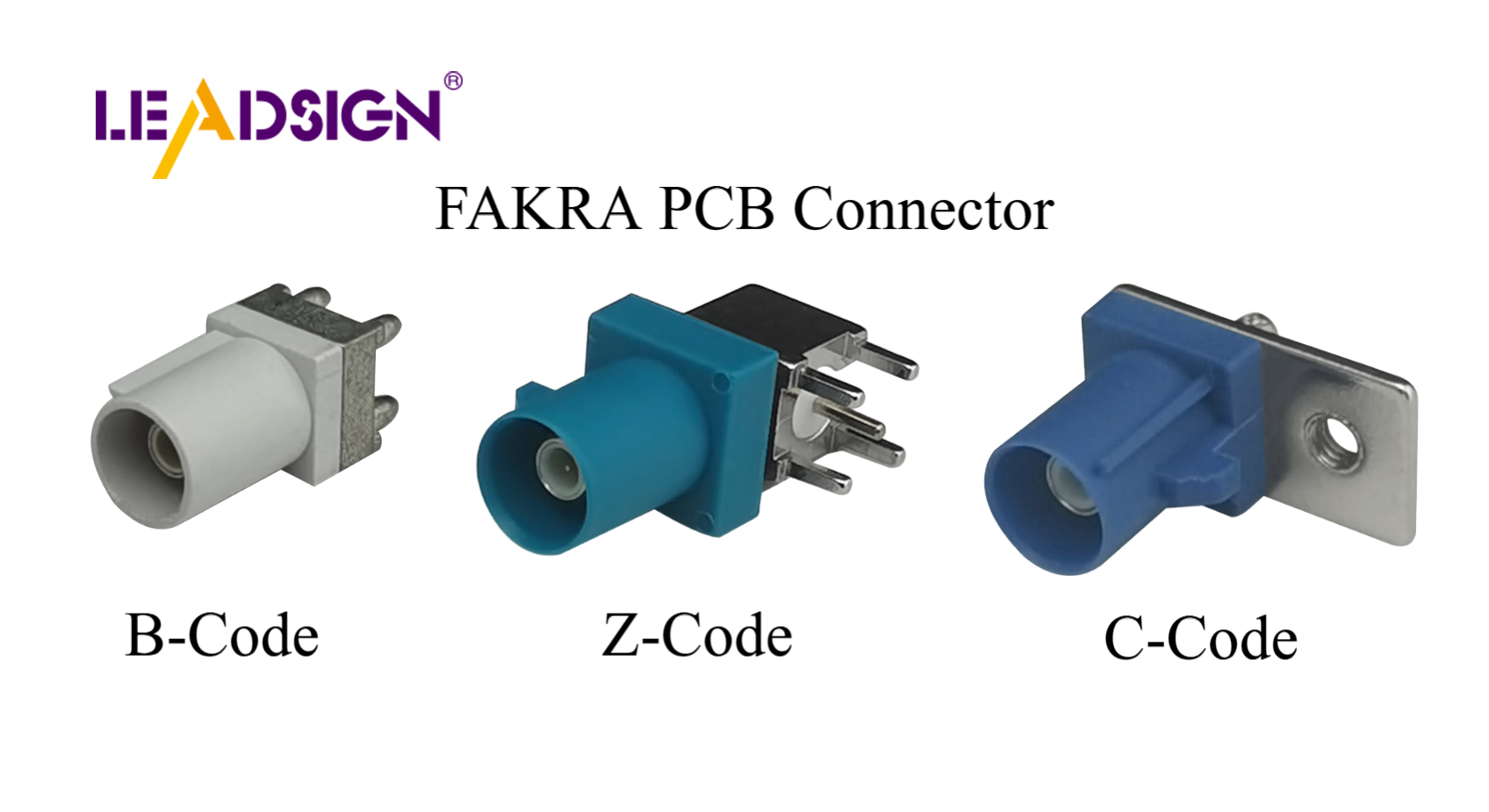
1. Quick Comparison – OEM vs Aftermarket Connectors
Feature | OEM Connector | Aftermarket Connector (Low‑quality) |
|---|---|---|
Material quality | High‑grade thermoplastics, copper alloys, tin/gold plating | Often lower‑grade plastics, brass (prone to corrosion) |
Dimensional accuracy | Exact fit – designed for specific vehicle model | “Universal” or approximate – may require force or leave gaps |
Sealing (IP rating) | Meets OEM sealing requirements (IP67/IP69K where needed) | Often unsealed or ineffective seals |
Vibration resistance | Secondary lock / CPA, USCAR‑2 tested | Friction fit only – loosens over time |
Temperature range | -40°C to +125°C (engine bay rated) | Unknown or narrower range – may melt or crack |
Testing | Extensive (thermal cycling, corrosion, vibration, salt spray) | Little or no testing |
Warranty impact | Maintains vehicle warranty | May void warranty if failure causes damage |
Cost | Higher upfront | Lower upfront |
Long‑term value | Excellent – lasts vehicle life | Poor – frequent replacements, risk of collateral damage |
Key takeaway: OEM connectors are the gold standard for reliability. However, there are also high‑quality aftermarket brands (e.g., LEADSIGN for FAKRA/HSD) that meet or exceed OEM specifications at lower cost – these are safe alternatives. Avoid generic, unbranded “assorted kits” from discount online sellers.
2. High‑Quality Materials – Why OEM Connectors Last
OEM connectors are manufactured using:
Nylon (PA66), PBT, or PPA housings – high strength, heat resistant, chemical resistant.
Copper or copper alloy terminals (tin or gold plated) – excellent conductivity, corrosion resistance.
Silicone or rubber seals – IP67/IP69K protection.
Secondary locks and CPA – prevents vibration loosening.
Aftermarket shortcuts: Many cheap connectors use pure brass terminals (lower conductivity, faster corrosion), insufficient plating, and low‑temperature plastics that become brittle or melt.
Real‑world consequence: An aftermarket connector in an engine bay may soften and deform after a few heat cycles, leading to loose terminals and intermittent connection.
3. Compatibility & Fit – Why OEM Connectors Are Made for Your Car
OEM connectors are designed specifically for a vehicle’s wiring harness – pin pitch, keyways, locking mechanism, and wire gauge all match exactly. Installation is plug‑and‑play with no modification.
Aftermarket problems:
“Universal” connectors may require trimming or forcing – damages pins.
Incorrect keyways allow reverse polarity or mismating.
Poor seal fit allows water ingress → corrosion.
For data connectors (FAKRA, HSD): Colour coding (FAKRA) is critical. An aftermarket FAKRA connector with the wrong colour (e.g., blue shell but internal 75Ω impedance) will physically fit but electrically fail. Only use trusted sources like LEADSIGN.
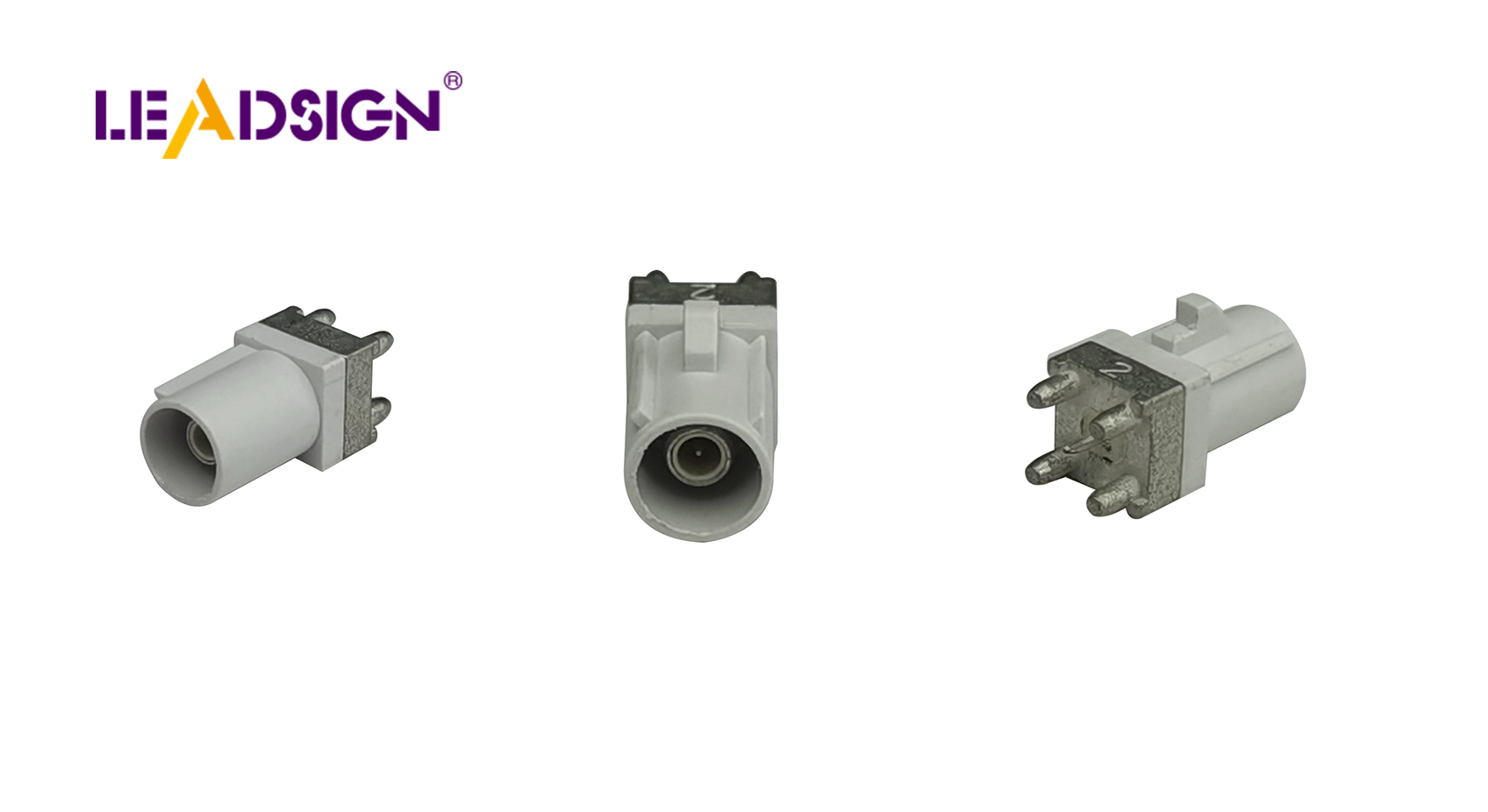
4. Durability & Longevity – OEM Connectors Are Tested to Last
OEM connectors undergo rigorous testing:
Thermal cycling – hundreds of cycles from -40°C to +125°C.
Vibration (USCAR‑2) – 20 G’s, 10‑2000 Hz.
Corrosion (salt spray, mixed flowing gas) – weeks of exposure.
Mating cycles – ≥ 25 for serviceable connectors.
Sealing (IP67/IP69K) – immersion and high‑pressure wash.
Aftermarket connectors rarely have published test data. Many fail within months of installation in underbody or engine bay locations.
Cost impact: An aftermarket connector that fails may take down an entire system (camera, sensor, ECU). Labour to diagnose and replace often exceeds the cost of an OEM connector many times over.
5. Cost‑Effectiveness – Higher Upfront vs Lower Total Cost
Cost Factor | OEM Connector | Cheap Aftermarket |
|---|---|---|
Upfront price | Higher | Lower |
Installation labour | Same (if straightforward) | May be higher due to poor fit |
Failure rate | Very low | High (especially in harsh environments) |
Callback risk | Low | High |
Collateral damage | None | Possible (melted harness, blown ECU) |
Long‑term value | Excellent | Poor |
Example: A 5OEMheadlightconnectorlaststhelifeofthevehicle.A5OEMheadlightconnectorlaststhelifeofthevehicle.A2 aftermarket connector may need replacement twice, and a failure could melt the headlight socket – costing $50+ in parts and labour.
For high‑speed data (FAKRA/HSD): A poorly made aftermarket FAKRA cable may have incorrect impedance (e.g., 75Ω instead of 50Ω) – the camera will have no image. After spending hours diagnosing, you will replace it with a quality part. The labour alone costs 10‑20x the difference in cable price.
6. 2026 Trends – What’s Changing
Trend | Implication |
|---|---|
4K cameras on trucks & vans | Requires Mini FAKRA (20 GHz) – cheap aftermarket units often cannot meet high‑frequency spec. |
EV / hybrid | High‑voltage (orange) connectors – aftermarket must be certified; otherwise safety risk. |
Longer vehicle life | Connectors must survive 15+ years. OEM‑grade materials essential. |
Pre‑terminated cables | Shops prefer ready‑to‑install cables (LEADSIGN) that guarantee OEM‑spec performance. |
7. When Is Aftermarket Acceptable? – And When to Avoid
✅ Acceptable aftermarket (high‑quality brands)
Sealed Deutsch or Weather Pack connectors from reputable brands (TE, Amphenol, Molex) – these are often equivalent or superior to OEM.
LEADSIGN FAKRA/HSD cables – meet or exceed OEM specifications, with test reports, at 30‑50% lower cost than dealer OEM.
❌ Never use low‑quality aftermarket connectors for:
Safety systems (airbags, ABS, brakes) – use OEM or certified equivalent.
Underbody / exterior – unsealed cheap connectors will corrode.
High‑speed data (camera video, GPS, USB‑C) – impedance mismatch kills signal.
Engine bay – high heat and vibration destroy cheap plastics.
8. Why LEADSIGN – OEM‑Grade Aftermarket for FAKRA & HSD
LEADSIGN is not a low‑quality aftermarket brand. We specialise in FAKRA, Mini FAKRA, and HSD connectors and pre‑terminated cables that meet or exceed OEM specifications (ISO 19642, USCAR‑2, LV214).
What LEADSIGN offers:
✅ FAKRA (standard & Mini) – all 14 colours, 50Ω, up to 20 GHz, IP67 optional
✅ HSD (USB‑C, Ethernet, LVDS) – 100Ω, locking, up to 5 Gbps
✅ Pre‑terminated cables – custom lengths 0.3m – 20m, no field crimping
✅ Test reports – continuity, impedance, insertion loss, VSWR
✅ Cost 30‑50% lower than dealer OEM or TE/Rosenberger
For your business: You can offer customers OEM‑grade reliability at aftermarket‑friendly prices, while reducing labour costs with pre‑terminated cables.
Final Recommendations – Connector Selection Guideline
Situation | Recommended Source |
|---|---|
Safety‑critical system (airbag, ABS, brake) | OEM dealer only |
Engine bay power / sensor (individual connector) | OEM or high‑quality brand (TE, Deutsch, Molex) |
Exterior lighting (sealed connector) | OEM or Weather Pack / Deutsch (reputable aftermarket) |
Backup camera / GPS / FAKRA | LEADSIGN (OEM‑grade, lower cost, pre‑terminated) |
USB‑C CarPlay / Ethernet | LEADSIGN (HSD) |
Low‑risk interior accessory (speaker, lighter) | Any quality crimp connector (but avoid bargain bin) |
Remember: The cheapest connector is never the most cost‑effective when it fails. Invest in quality – OEM or OEM‑grade aftermarket.
Ready to upgrade your connector inventory with OEM‑grade FAKRA/HSD cables at fair prices?
See Also
Why Fakra Connectors Are Essential For Today's Vehicles
Fakra Connectors: A Key Component In Automotive Technology
Understanding The Advantages Of Fakra Connectors In Cars
HFM Connectors: Enhancing Performance In Automotive Applications