HSD in telecom industries, USB, and radio base stations

Intro: The $13 Trillion Backbone of 5G and Beyond
High‑Speed Data (HSD) technology is no longer a luxury – it is the foundation of modern telecommunications. From USB connections on your laptop to the radio base stations that deliver 5G to millions, HSD ensures that data moves quickly, reliably, and securely. By 2035, the global impact of 5G – powered by HSD – is projected to exceed $13 trillion, enabling cloud services, IoT, autonomous systems, and smart cities.
In this guide you will learn:
How HSD technology improves data transfer in telecom, USB, and radio base stations
The technical elements that make HSD robust (noise immunity, signal integrity)
The role of USB in standardising telecom connectivity
New developments in base station technology (dual‑band small cells)
Future trends: 6G, quantum communications, and beyond
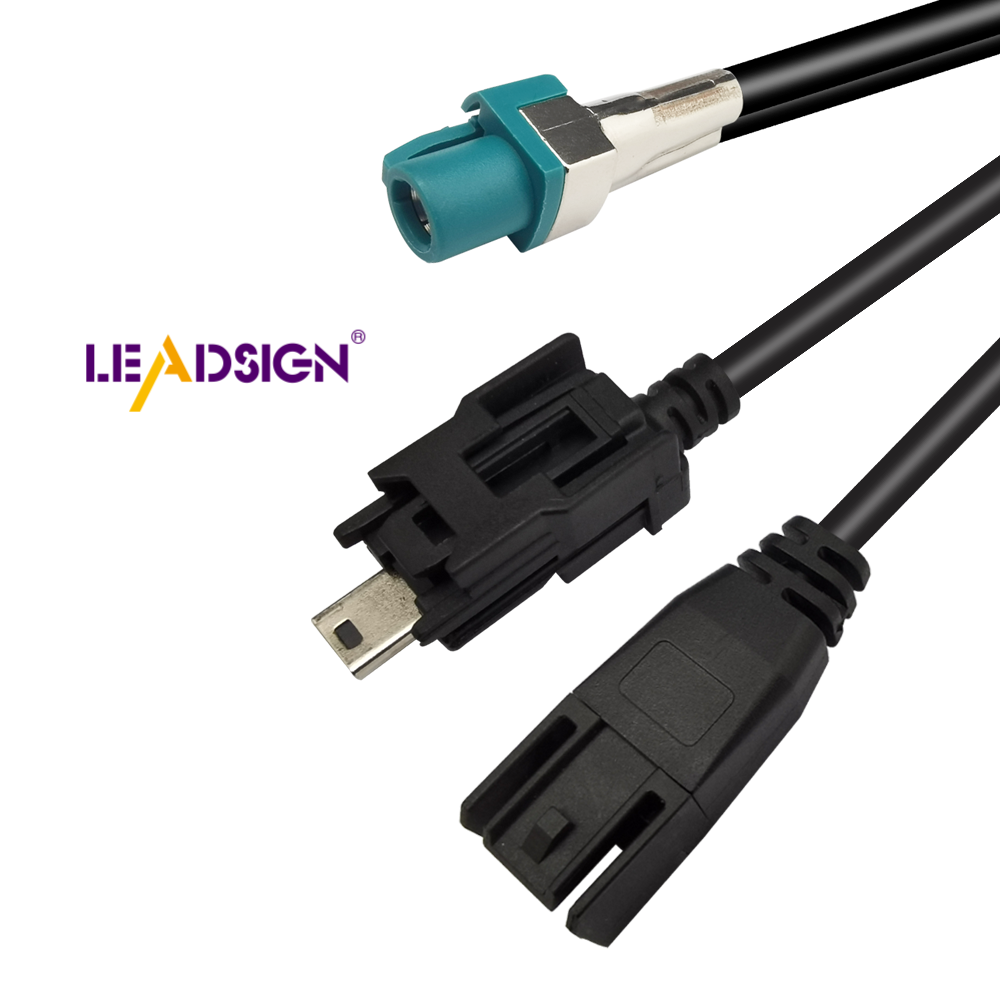
1. HSD in Telecommunications – The Engine of Fast, Reliable Networks
🔹 Improving Data Transfer
HSD changes the way data moves across telecom infrastructure. With ever‑increasing bandwidth demands (streaming, cloud computing, Io), HSD enables:
Low latency (sub‑1ms for 5G)
High throughput (up to 10 Gbps and beyond)
Error‑free transmission even in noisy environments
For telecom operators, this means fewer dropped calls, faster downloads, and support for millions of connected devices simultaneously.
🔹 Noise Immunity & Signal Integrity
One of the key technical strengths of HSD is its ability to reject electromagnetic interference (EMI) and maintain signal integrity. In crowded base stations or data centres, crosstalk and external noise can corrupt data. HSD uses:
Shielded twisted‑pair cabling (e.g., Cat6a, Cat7)
Differential signalling (common‑mode noise cancellation)
Advanced equalisation and error correction
The result: clean, reliable data even in harsh RF environments.
2. HSD in Radio Base Stations – Enabling 5G & Beyond
Radio base stations are the heart of mobile networks. They handle thousands of simultaneous connections, streaming video, voice calls, and machine‑to‑machine traffic. HSD plays a critical role at every level:
Area | HSD application |
|---|---|
Fronthaul (antenna to baseband unit) | CPRI/eCPRI over fiber or high‑speed copper |
Backhaul (base station to core network) | Ethernet (1 Gbps – 100 Gbps) over copper or fiber |
Internal data buses | USB 3.2, PCIe, or proprietary HS interfaces |
🔹 Fast Data Transfer in Base Stations
Modern base stations use HSD interfaces to move data between modules – from the radio unit (RU) to the distributed unit (DU) to the central unit (CU). This architecture, part of O‑RAN (Open Radio Access Network), relies on high‑speed, low‑latency connections to split functions and optimise performance.
🔹 Supporting Digital Entertainment & IoT
Digital entertainment platforms (streaming, gaming, VR) depend on base stations with robust HSD. Without it, video buffers, voice lags, and IoT sensors miss updates. HSD ensures that:
4K/8K video streams without stutter
Cloud gaming has sub‑30ms response
Smart meters and sensors report in real time
🔹 Integration with New Telecom Networks (5G, O‑RAN, 6G)
HSD is the glue that holds disaggregated networks together. In O‑RAN, different vendors supply different components – they all communicate via standardised high‑speed interfaces (e.g., 25G, 50G Ethernet). Future 6G networks will demand even higher speeds (100G+), and HSD technology will evolve to meet that need.
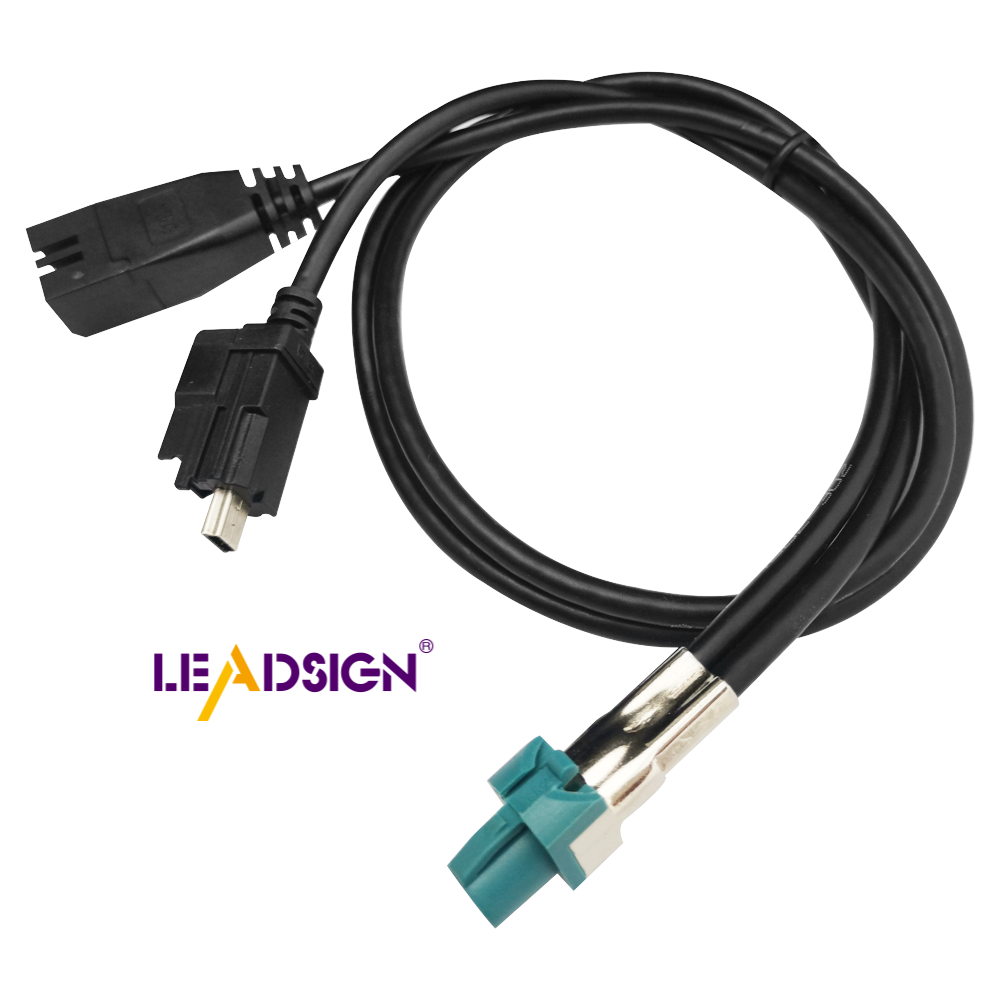
3. USB – The Universal Connector in Telecom
🔹 Standardisation Across Devices
USB (Universal Serial Bus) has become the de facto standard for connecting devices in telecom environments – from a technician’s laptop to a base station’s management port. USB‑C, with its reversible plug and high power delivery, simplifies field work and reduces cable clutter.
🔹 Bridging Technologies
USB acts as a bridge between different technologies:
A laptop connects to a base station’s console port via USB‑to‑serial adapter.
USB‑C to Ethernet adapters allow devices to join wired networks.
USB‑C supports DisplayPort (video) and Thunderbolt (high‑speed data) through the same port.
This interoperability reduces the number of specialised cables and adapters that technicians must carry.
🔹 Importance in Telecom Operations
For network engineers and field technicians, USB is indispensable:
Firmware updates – loading new software onto base stations and routers.
Configuration – connecting to management interfaces.
Data logging – retrieving performance metrics and debug logs.
Power delivery – charging devices without separate power bricks.
HSD over USB (USB 3.2 Gen 2×2, USB4) provides up to 40 Gbps – fast enough to transfer entire system images in seconds.
4. New Developments – Dual‑Band Small Base Stations
🔹 What Are Dual‑Band Small Cells?
Dual‑band small base stations support both 4G (LTE) and 5G within the same compact unit. They are deployed in dense urban areas, stadiums, shopping malls, and enterprise campuses to offload traffic from macro cells.
How they work: The base station contains separate radios for two frequency bands (e.g., 2.6 GHz for 4G and 3.5 GHz for 5G). HSD interfaces (e.g., 10G Ethernet) carry the aggregated traffic to the core network.
🔹 Impact on Connectivity
Higher capacity – Two bands means twice the throughput per square metre.
Smoother handovers – Devices can switch between 4G and 5G seamlessly.
Better indoor coverage – Small cells placed inside buildings eliminate dead zones.
For telecom operators, dual‑band small cells are a cost‑effective way to expand 5G footprint without building new macro towers.
🔹 Future Outlook
As 6G research progresses, we will see tri‑band and even quad‑band small cells (sub‑6 GHz, mmWave, and terahertz). The demand for HSD will only increase – from 10 Gbps today to 100 Gbps+ by 2030.
5. Future Trends in Telecom – Where HSD Is Heading
Trend | Impact |
|---|---|
6G (2030+) | Targeted speeds of 1 Tbps, latency <0.1ms – will require optical HSD or advanced copper with massive equalisation. |
Quantum communications | Ultra‑secure links over fiber; HSD protocols will need to integrate quantum key distribution (QKD). |
AI‑driven networks | Real‑time optimisation of traffic routing requires low‑latency HSD between AI inference engines. |
Open RAN (O‑RAN) | Disaggregated components rely on standardised high‑speed ethernet (25G, 50G, 100G) as HSD backbone. |
IoT at scale | Billions of sensors will generate petabytes of data – HSD must handle aggregation without loss. |
Telecom systems have come a long way – from analogue voice to 5G and beyond. HSD, USB, and radio base stations work together to create a connected world where data flows instantly, reliably, and securely.
Final Thoughts – Why HSD Matters
For telecom operators: HSD reduces capital and operational expenses by enabling efficient, error‑free transport.
For equipment manufacturers: HSD standards (USB, Ethernet, PCIe) ensure interoperability and long‑term viability.
For end users: HSD translates directly into faster downloads, clearer calls, and seamless streaming.
As we look toward 6G, quantum networks, and AI‑driven automation, one thing is certain: high‑speed data technology will remain the invisible backbone that powers our digital lives.
Summary
Domain | Role of HSD |
|---|---|
Telecom | Enables 5G, cloud, IoT via low‑latency, high‑throughput links. |
USB | Provides universal connectivity for configuration, updates, and diagnostics. |
Radio base stations | Handles fronthaul/backhaul and internal module communication. |
Dual‑band small cells | Aggregates 4G+5G traffic over HSD interfaces for dense coverage. |
Future trends | 100G+ Ethernet, quantum‑resistant encryption, AI‑optimised routing. |
Need to supply HSD connectors or cables for telecom or automotive applications? LEADSIGN offers high‑performance FAKRA, HSD, and Ethernet solutions – contact us for custom lengths and bulk pricing.
See Also
Optimizing Automotive HSD Systems through USB Integration
Significance of HSD Connectors in Automotive Sector
Unlocking Infotainment Potential: HSD to USB Cable Advantages