HSD Cables in Custom Harnesses: Why 2026 Fleets & Shops Can’t Ignore Them

Intro: 40 Gbps, 6.6% CAGR, and the Hidden Cause of Camera Dropouts
The global high‑speed data connector market is projected to grow at 6.6% CAGR through 2031, driven by ADAS, infotainment, and autonomous driving. Yet many repair shops and custom harness builders still underestimate the single most common failure point in modern retrofits: the cable.
A 4K backup camera generates massive data. A wireless CarPlay radio streams audio and video in real time. A telematics device uploads fleet GPS every second. Without a proper High‑Speed Data (HSD) cable, you get:
Image tearing / lag on the screen
Intermittent infotainment resets
False ADAS alerts
Comebacks that kill your margin
In this guide, you’ll learn what HSD cables are, how they differ from ordinary wires, and exactly which ones you need for cameras, multimedia, and custom harness systems – plus a 2026 buying checklist.
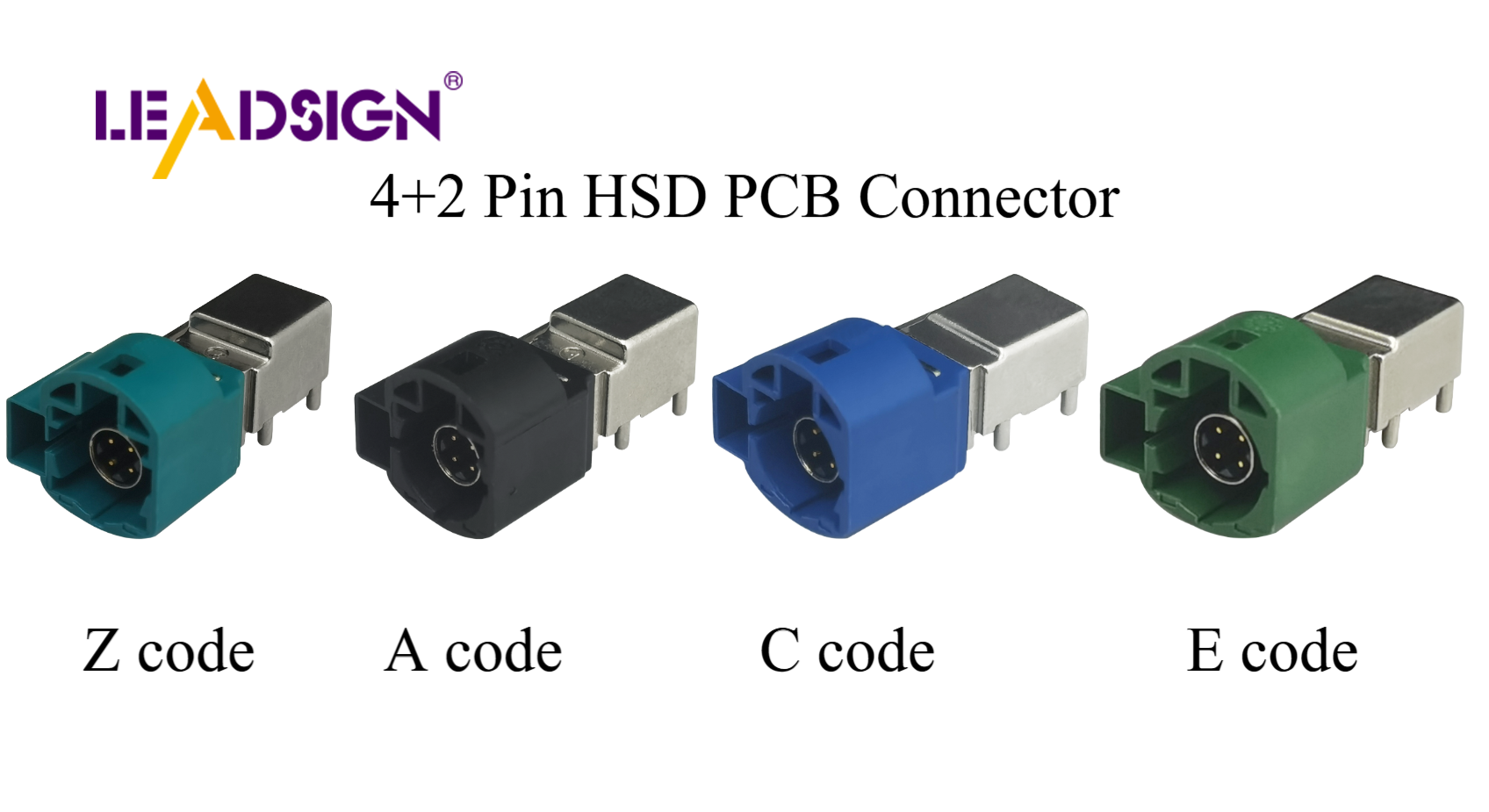
1. What Are HSD Cables – And Why Ordinary Cables Fail
HSD stands for High‑Speed Data. These cables are designed to transmit signals up to 40 Gbps with minimal loss, using twisted‑pair quad construction and multi‑layer shielding. They originated in the late 1990s for automotive video and have since become the standard for USB, Ethernet, LVDS, Firewire, and HDMI in vehicles.
Why regular cables (e.g., standard coax or unshielded twisted pair) fail at high speeds:
No impedance control → signal reflections → data errors
Poor shielding → EMI from alternators, EV motors, or other harnesses
Cheap connectors → intermittent contact under vibration
Key HSD features that solve these problems:
Feature | Benefit |
|---|---|
100Ω differential impedance (or 50Ω for coax) | Matches modern auto protocols, minimises reflections |
Foil + braid shielding | Blocks external noise (EMI) |
Twisted quad construction | Cancels common‑mode noise |
Primary + secondary connector locking | No vibration loosening |
Gold‑plated terminals | Corrosion resistance, low contact resistance |
B2B takeaway: For any custom harness that carries camera video, USB data, Ethernet, or LVDS, you must spec HSD cables – not general‑purpose wires.
2. HSD vs. Other Cable Types – A Quick Comparison
Feature | HSD Cable | Standard USB 2.0 Cable | Coaxial (e.g., RG‑174) |
|---|---|---|---|
Max data rate | Up to 40 Gbps | 480 Mbps | < 1.5 Gbps (for video) |
Shielding | Double (foil + braid) | Minimal / single | Single braid |
Impedance controlled | Yes (100Ω or 50Ω) | No | Yes (50Ω or 75Ω) |
Vibration rating | Automotive (USCAR‑2) | Consumer grade | Varies |
Connector lock | Positive latch / secondary lock | Friction only | Screw or push‑on |
Typical cost (per meter) | $3‑8 | $0.5‑2 | $1‑3 |
For reverse cameras: Use 50Ω shielded coaxial HSD (often with FAKRA connectors).
For multimedia USB‑C / Android Auto: Use 100Ω USB 3.2 Gen 1 HSD.
For ADAS / telematics: Use 100Ω automotive Ethernet HSD.
We supply all three types pre‑terminated to your length.
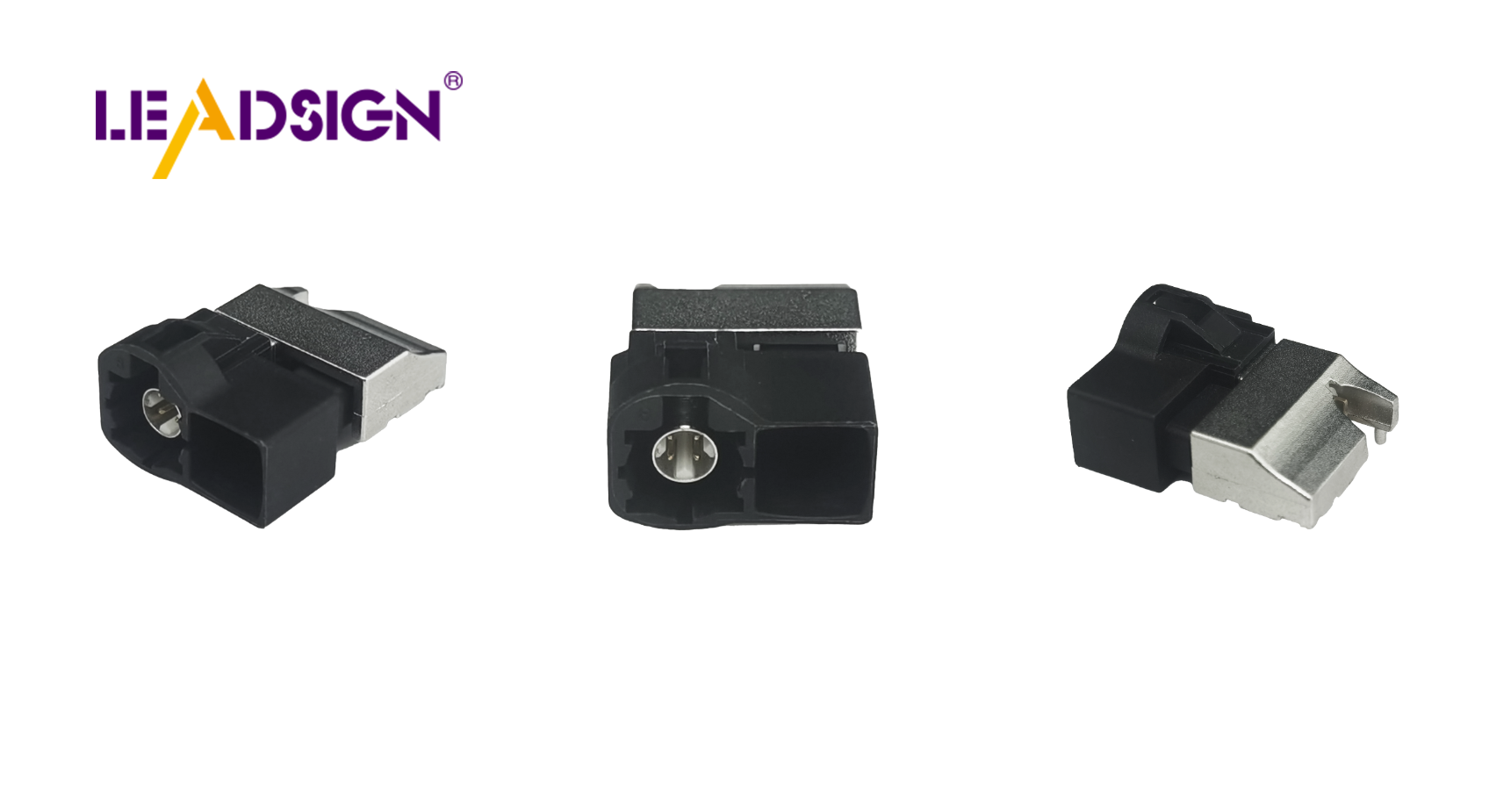
3. Where HSD Cables Are Used – Directly Related to Your Products
Your company sells car multimedia (double‑DIN radios), reverse cameras, and connectors. HSD cables are the critical link that makes these products perform.
🎥 Backup & 360° Camera Systems
A 1080p AHD camera requires ~1.5 Gbit/s. A 4K camera can exceed 6 Gbit/s.
Required HSD: 50Ω coaxial (FAKRA or HSD‑LVDS) with double shielding.
Failure symptom with wrong cable: Rolling bars, image delay, or “no signal”.
📱 Car Multimedia (Wireless CarPlay / Android Auto)
Wired phone mirroring (USB‑C) needs USB 3.2 Gen 1 (5 Gbit/s). Wireless systems still require high‑speed data for diagnostics and audio streaming.
Required HSD: Shielded USB‑C HSD with locking connector (prevents accidental unplug during driving).
🚦 ADAS & Telematics
Forward cameras, radar, and V2X modules communicate via automotive Ethernet (100BASE‑T1 or 1000BASE‑T1) over a single twisted pair.
Required HSD: 100Ω Ethernet HSD with MATEnet or H‑MT connectors.
🎧 Rear‑seat Entertainment
HDMI video from a roof‑mounted screen to a head unit.
Required HSD: HDMI Type E (automotive locking version).
Pro tip for custom harness builders: Pre‑assemble HSD cables with the correct connectors on both ends. This saves your customers hours of termination work and eliminates warranty claims.
4. Integration into Custom Wiring Harnesses – What Shops Need to Know
When building or modifying a vehicle harness, HSD cables require special attention:
Keep separation from power cables – At least 20 cm distance from high‑current (e.g., alternator, fan) or EV motor cables. Cross at 90° if unavoidable.
No sharp bends – Minimum bend radius is typically 5× cable diameter.
Use proper strain relief – Zip‑tie the cable within 50 mm of the connector.
Never splice an HSD cable – The impedance will be ruined. Always use a continuous, pre‑terminated cable.
Compatibility with automotive standards – HSD cables are designed to meet USCAR‑2, LV214, and ISO 19642. This means they survive the same temperature, vibration, and fluid exposure as your factory harness.
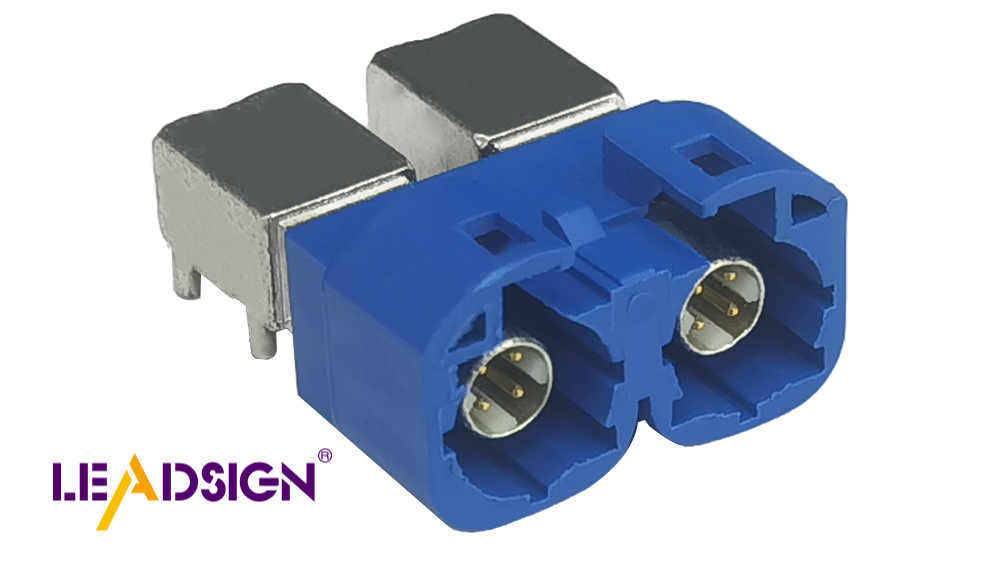
5. Choosing the Right HSD Cable – B2B Checklist
Factor | What to look for |
|---|---|
Data rate needed | 480 Mbps (USB 2.0) → standard HSD; 5 Gbps (USB 3.0) → USB 3.x HSD; 10+ Gbps → Ethernet or active optical |
Impedance | 100Ω for USB/Ethernet/LVDS; 50Ω for coaxial video/GPS |
Connector type | FAKRA (camera, antenna), USB‑C (phone), RJ45 (Ethernet), HDMI Type E (screen) |
Length | As short as practical – longer than 10 m may need active equalisation |
Environmental rating | IP67 for exterior / underbody; unsealed for interior |
Temperature range | -40°C to +105°C (engine bay) or -40°C to +85°C (cabin) |
Proven HSD connector families:
FAKRA – for coax (50Ω), colour‑coded, secondary lock
HSD (Amphenol / Rosenberger) – 4‑pin, 100Ω, for USB/Ethernet
MATEnet (TE) – miniaturised Ethernet
H‑MT (Rosenberger) – high‑speed data up to 20 Gbps
6. Three Costly HSD Mistakes (And How to Avoid)
Mistake | Consequence | Prevention |
|---|---|---|
Using a non‑HSD cable for a camera | Image interference, intermittent signal | Always buy certified HSD or RG‑174‑class shielded coax |
Crimping your own HSD connector without proper die | Impedance mismatch → data errors | Use pre‑terminated HSD cables (we supply custom lengths) |
Routing HSD parallel to high‑current wires | EMI corrupts video / sensor data | Keep 20 cm separation; use shielded conduit if unavoidable |
Tool tip: If you must terminate HSD cables in‑house, invest in a ratcheting crimper with positioner – never use a generic die.
7. 2026 Trends That Increase HSD Cable Demand
EV proliferation – Electric motors generate wideband EMI. HSD cables’ superior shielding becomes mandatory for any camera or sensor near the powertrain.
Higher resolution cameras – OEMs and fleets are moving to 4K and 8K surround‑view. These require HSD‑LVDS or automotive Ethernet, not legacy coax.
Wireless CarPlay / Android Auto – Even “wireless” radios still need a high‑speed data connection for software updates, diagnostics, and some audio paths.
Data logging for fleets – Telematics boxes now record video and sensor data. They need high‑bandwidth HSD (Ethernet or USB 3.0) to offload quickly.
Modular vehicle architectures – Zone controllers communicate over Ethernet. Every custom harness that taps into these networks must use Ethernet‑rated HSD.
Final Recommendations for Your Business
Application | Recommended HSD Cable |
|---|---|
Reverse camera (analog / AHD / CVBS) | 50Ω coaxial with FAKRA connectors, pre‑terminated |
Reverse camera (LVDS) | 100Ω LVDS‑HSD (4‑pin) with locking |
Car multimedia (USB‑C phone mirroring) | USB 3.2 Gen 1 HSD, male‑to‑female locking |
Telematics / tracker (Ethernet) | 100BASE‑T1 HSD with MATEnet or RJ45 |
Rear‑seat HDMI screen | HDMI Type E (locking) HSD cable |
Why source HSD cables from us?
✅ Pre‑terminated to your exact length (0.5 – 15 m)
✅ 100% tested for continuity, impedance, and shielding
✅ OEM‑grade materials (gold‑plated terminals, double shielding)
✅ Bulk pricing for repair chains and harness builders
See Also
Understanding HSD Connectors Essential for Automotive Applications
Why HSD Connectors Matter in Today's Automotive Sector
Key Benefits of HSD Connectors for Automotive Systems
An In-Depth Overview of HSD Connectors Explained
Exploring HSD Connectors' Advantages in Contemporary Vehicles