Why Tier-2 Suppliers Are Switching to High-Performance Automotive Wiring in 2026

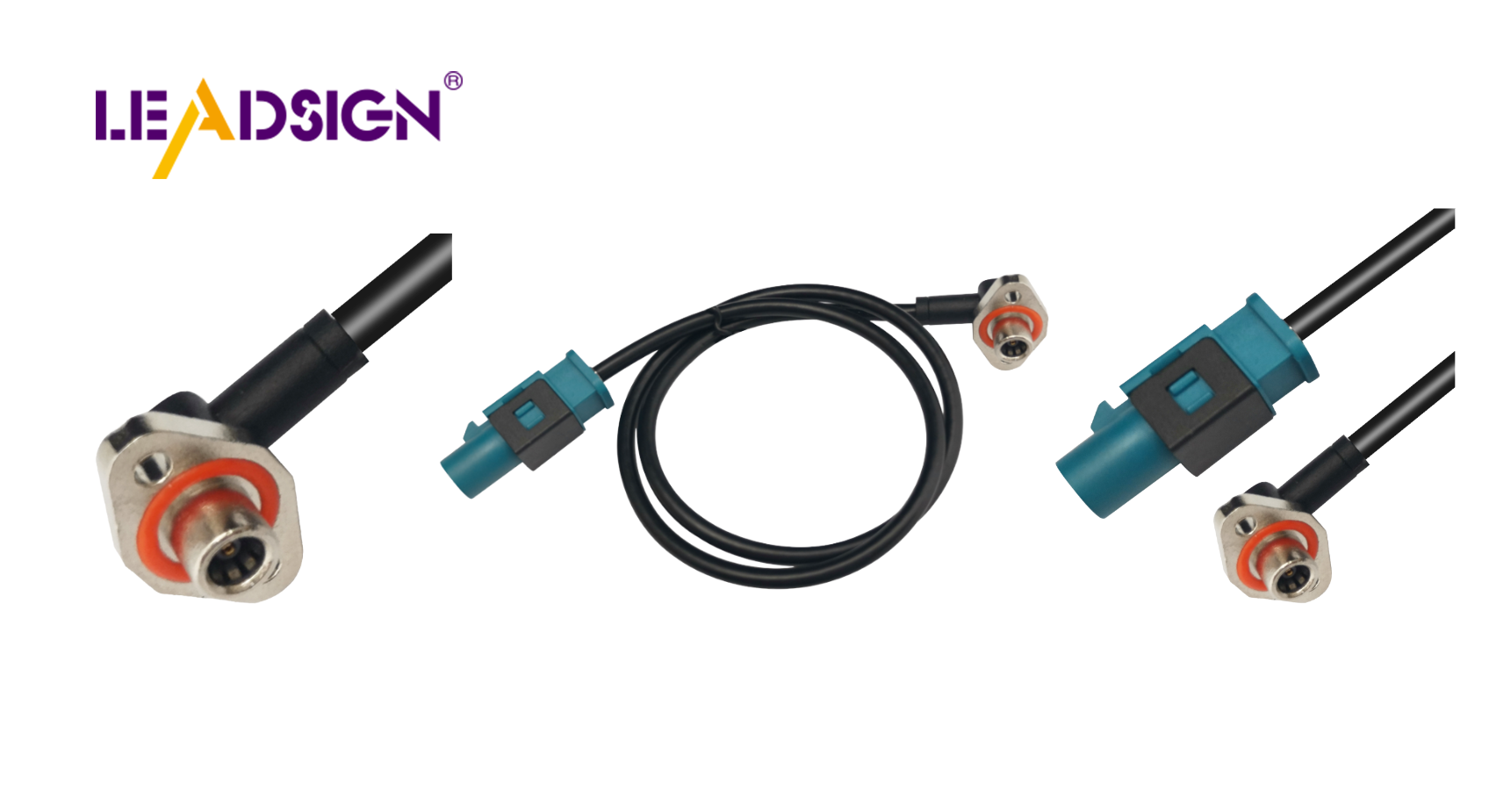
One bad batch of wiring can kill a whole infotainment or ADAS project. For importers, distributors, and Tier-2 harness makers, automotive wire isn‘t just copper and insulation—it’s a liability and a margin driver. With electric vehicles scaling fast and autonomous features becoming standard, your buyers are demanding wires that handle higher voltages, faster data, and tougher environmental stress without fail.
Power delivery is the baseline. But today‘s procurement teams care just as much about signal integrity for cameras, sensors, and in-car networks. A cheap CCA (Copper-Clad Aluminum) wire might save upfront cost, yet the energy loss, heat buildup, and return rate hit your bottom line harder. That’s why more B2B buyers are specifying Oxygen-Free Copper (OFC) or advanced alloys—especially for EV battery connections, high-speed data links, and safety-critical circuits.
Insulation and shielding are now deal-breakers. With EMI from high-voltage EV systems and dense sensor suites, your customer needs wires that won‘t turn GPS navigation or 360° camera feeds into warranty claims. Cross-linked polyethylene (XLPE) and Teflon jackets aren’t over-spec; they‘re the new standard for fleets operating from -40°C cold starts to desert heat. And if your market is Europe or North America, RoHS, REACH, and IATF 16949 compliance documentation is what gets your quote past the first screening.
The shift is clear: lightweight yet robust, shielding-ready, and fully traceable. Factories that invest in smart wiring—with built-in diagnostics or pre-assembled modular harnesses—are winning repeat orders from EV startups and autonomous retrofit specialists. Meanwhile, the aftermarket is driving demand for pre-cut kits and waterproof connector-ready cables that save installers time and reduce service calls.
For wholesalers and brand owners, the margin isn’t in selling wire by the meter. It‘s in selling reliability. Every electrical failure your wire prevents is a saved cost for your client’s fleet operator or dealership. That‘s the real value proposition. Update your RFQ now: check the copper grade, the insulation temperature rating, and the shielding spec. Your next big contract depends on it.
Key Buying Points for 2026:
Material Matters: Oxygen-Free Copper (OFC) cuts energy loss and warranty risk. CCA may work for low-current circuits but fails in mission-critical applications.
Shielding is Non-Negotiable: For ADAS cameras, GPS, and infotainment, specify high-coverage braided shielding to eliminate EMI-related failures.
Insulation for Real-World Stress: XLPE and silicone jackets outperform basic PVC in engine bays, EV battery trays, and wet environments.
Certifications Open Doors: IATF 16949, RoHS, and REACH are mandatory for EU and North American supply chains. Have your test reports ready.
Lightweighting with Strength: Smaller gauge, higher-temp-rated wires support OEM weight-saving goals without sacrificing current capacity.
Installation Efficiency Sells: Pre-cut, labelled, and connectorized wire sets reduce labor and after-sales issues for installers and fleets.
About the Author & Our Factory
With over a decade in automotive electronics export, we specialize in car infotainment systems, harness connectors, and reversing cameras for global aftermarket and OEM-tier suppliers. Our wiring solutions are IATF 16949 certified, available in OFC and alloy options, with customizable shielding and jacket materials. We understand what importers, distributors, and fleet solution providers need—because we ship it every week. Contact us for spec sheets, free cut samples, and OEM/ODM inquiries.
Hashtags:
#AutomotiveWiring #EVHarness #ADASSensors #OxygenFreeCopper #XLPEWire #FleetSolutions #CarElectronics #WholesaleSupplier #IATF16949 #WireHarnessManufacturer
See Also
Maximizing Data Flow in Vehicles with Superior Connectors
Boosting Vehicle Data Transfer with High-Speed Connectors
Key Role of Fakra Connectors in Today's Vehicles