Understanding Copper and Aluminum Wiring for 2 Pin Automotive Electrical Connectors

Intro: Copper vs. Aluminum – The Right Choice Affects Conductivity, Weight, and Long‑Term Reliability
When selecting wiring for 2‑pin automotive electrical connectors, the choice between copper and aluminium directly impacts conductivity, weight, cost, and durability. Copper offers superior electrical conductivity, strength, and corrosion resistance – ideal for high‑power circuits and safety‑critical systems. Aluminium is lighter and less expensive, making it attractive for weight‑sensitive applications (EVs, hybrids) and non‑critical power distribution. However, aluminium requires careful termination (larger gauges, anti‑corrosion paste) and periodic inspection due to thermal expansion and galvanic corrosion. This guide compares the key characteristics of copper and aluminium wiring for 2‑pin connectors, helps you select the right material for your automotive application, and explains when to use each.
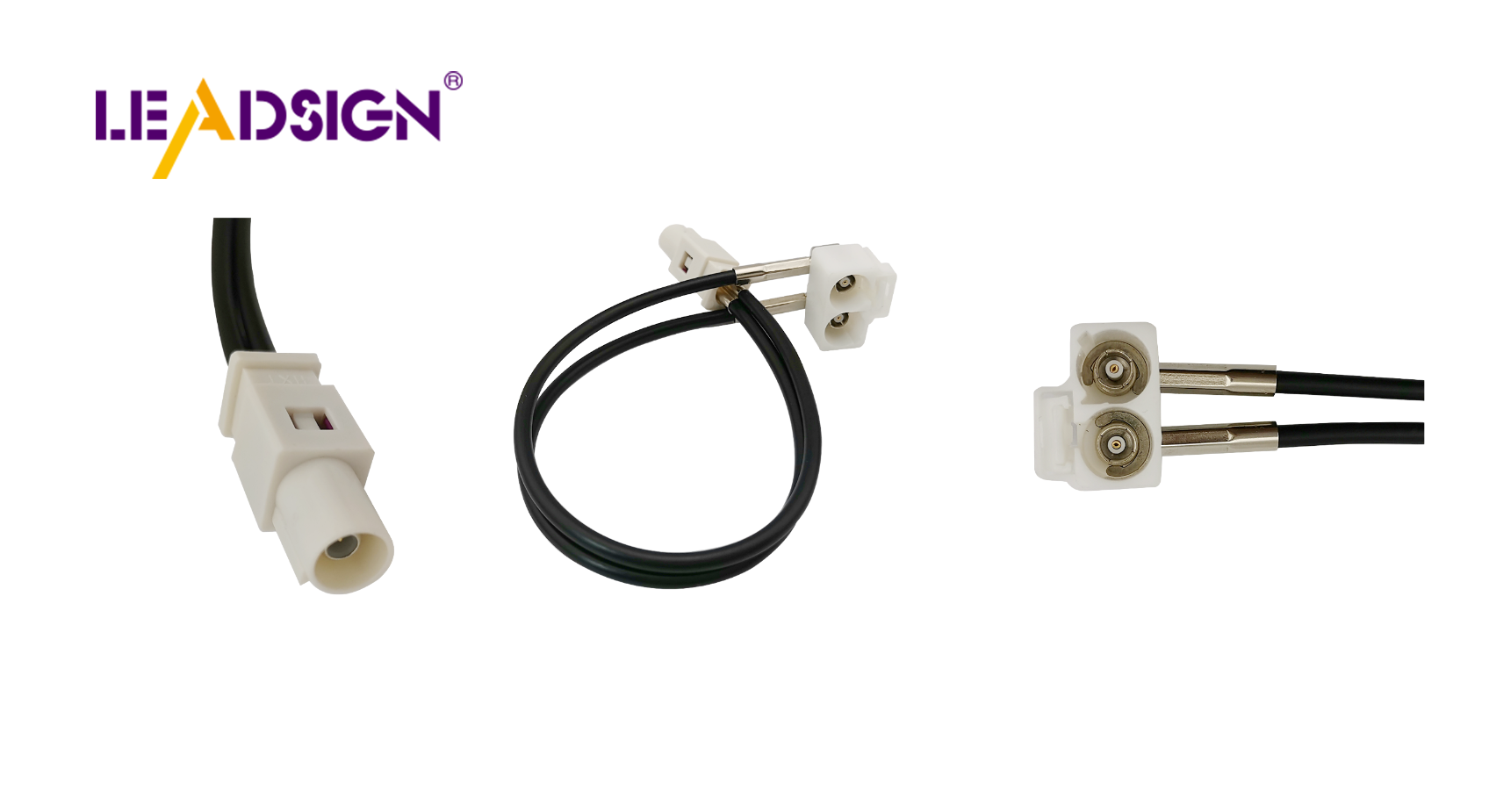
1. Key Characteristics of Copper Wiring for Automotive 2‑Pin Connectors
Property | Copper | Why it matters for 2‑pin connectors |
|---|---|---|
Electrical conductivity | 100% IACS (International Annealed Copper Standard) | Highest conductivity; carries more current for the same wire gauge – ideal for power and ground pins. |
Tensile strength | High (~220 MPa annealed) | Withstands vibration and mechanical stress; terminals remain tight in the connector housing. |
Corrosion resistance | Excellent (forms protective patina; tinned copper is even better) | Long‑term reliability, even in underbody or engine bay environments (with sealed connectors). |
Flexibility | Good (stranded copper) | Easy to route in tight spaces and terminate into 2‑pin housings. |
Thermal expansion | Low (17 × 10⁻⁶ /°C) | Connections stay tight over temperature cycles – no retorquing required. |
Cost | Higher | Higher upfront cost, but lower lifetime maintenance and callback risk. |
Best for 2‑pin connectors in: High‑power circuits (lights, fans, ECUs), engine bay sensors, safety systems (ABS, airbags), and any application where reliability is paramount.
2. Key Characteristics of Aluminium Wiring for Automotive 2‑Pin Connectors
Property | Aluminium | Why it matters for 2‑pin connectors |
|---|---|---|
Electrical conductivity | ≈61% IACS (copper‑clad aluminium (CCA) is higher, but still lower than copper) | Requires larger wire gauge to carry the same current as copper – may not fit some 2‑pin terminals. |
Weight | 70% lighter than copper | Significant weight savings – critical for EVs, hybrids, and performance vehicles. |
Cost | Lower (raw material) | Attractive for high‑volume, cost‑sensitive applications. |
Flexibility | Good (stranded) | Similar to copper; can be terminated into 2‑pin housings with proper tooling. |
Corrosion resistance | Moderate (forms insulating oxide layer; requires special anti‑oxidation paste) | Terminals must be properly sealed (dielectric grease) to prevent galvanic corrosion when mating with copper pins. |
Thermal expansion | Higher (23 × 10⁻⁶ /°C) | Connections may loosen over time – requires periodic retorquing or use of spring‑loaded terminals. |
Durability | Good (with proper termination) | Can last vehicle life if installed correctly, but more sensitive to poor crimps. |
Best for 2‑pin connectors in: Weight‑sensitive applications (EV battery cables, hybrid power distribution), non‑critical interior circuits, and cost‑driven designs where copper is over‑specified.
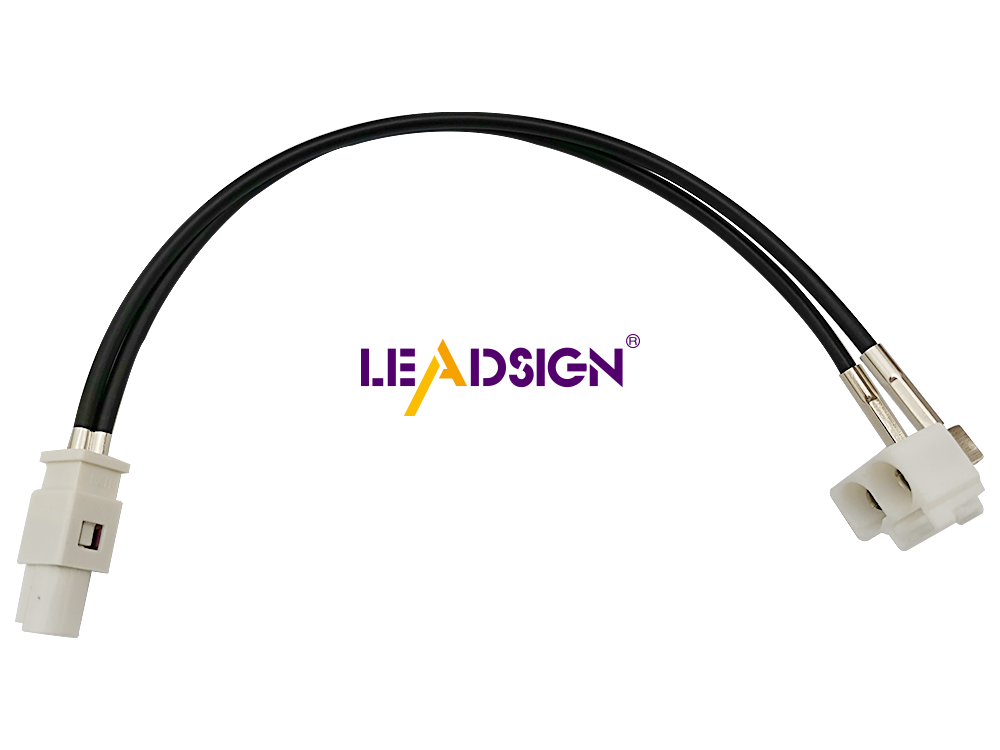
3. Direct Comparison – Copper vs. Aluminium for 2‑Pin Connectors
Criteria | Copper | Aluminium |
|---|---|---|
Conductivity (same AWG) | Excellent | Requires 1‑2 AWG sizes larger to match copper capacity |
Weight per metre | Heavy | Light (≈30‑40% of copper weight) |
Cost per metre | Higher | Lower (30‑50% less) |
Termination ease | Easy (standard crimp tool, any terminal) | Requires special anti‑oxidation paste; larger terminals |
Vibration resistance | Excellent | Good (if properly terminated) |
Thermal cycling stability | Excellent (stays tight) | Moderate (may loosen – requires inspection) |
Corrosion resistance (in wet environments) | Excellent (tinned copper) | Moderate (needs sealed connectors and paste) |
Typical application in 2‑pin | Power, ground, sensors | Non‑critical power, weight‑sensitive runs |
4. Practical Considerations for 2‑Pin Automotive Connectors
🔹 Copper – When to Choose
High‑current circuits (e.g., fan >20A, headlight main feed).
Engine bay or underbody (needs corrosion resistance).
Safety‑critical systems (airbags, ABS, ESC).
Long‑term reliability without periodic maintenance.
Example 2‑pin use: Power and ground for a cooling fan – 14 AWG copper, sealed Deutsch DT 2‑pin.
🔹 Aluminium – When to Choose
Lightweight EV or hybrid high‑voltage battery cables (orange) – but only with HV‑rated terminals.
Non‑critical interior power (e.g., seat heaters, window motors) where weight saving is a priority.
Cost‑driven projects with short expected vehicle life.
Important: For 2‑pin connectors in exterior or underbody, if using aluminium, always use sealed connectors (IP67) and anti‑oxidation paste at the terminal crimp. Inspect torque annually.
🔹 Mixed Systems – Copper‑Clad Aluminium (CCA)
CCA wire has a thin copper layer over an aluminium core. Conductivity is better than pure aluminium but still lower than copper.
Termination caution: Standard copper terminals may not be compatible; use terminals rated for CCA. Apply anti‑corrosion paste.
Recommendation: For most aftermarket automotive repairs (2‑pin connectors for lights, sensors, fans), stick with tinned copper – it is more forgiving, corrosion‑resistant, and requires less maintenance.
5. 2026 Trends – Copper and Aluminium in Modern Vehicles
Trend | Implication |
|---|---|
EV weight reduction | Aluminium wiring (and CCA) gaining popularity for non‑critical low‑voltage circuits (12V). |
Higher underhood temperatures | Copper preferred for engine bay (better heat tolerance, stable connections). |
Aluminium‑to‑copper galvanic corrosion | Increased use of aluminium requires careful terminal selection and sealed connectors to prevent electrolytic corrosion. |
Pre‑terminated pigtails | Many shops prefer pre‑terminated copper pigtails (LEADSIGN offers custom 2‑pin pigtails with tinned copper wire). |
6. Why LEADSIGN – Tinned Copper Pre‑Terminated Pigtails
For reliable 2‑pin connections, LEADSIGN recommends tinned copper wire – it combines copper’s conductivity with superior corrosion resistance. We offer pre‑terminated pigtails in custom lengths, ready to splice into your harness.
What LEADSIGN provides:
✅ Tinned copper stranded wire (SXL or GXL insulation, engine bay rated)
✅ Pre‑terminated with sealed 2‑pin connectors (Deutsch DT, Weather Pack, or custom)
✅ Custom lengths (0.3m – 20m) to exactly fit your vehicle
✅ Bulk pricing for shops, fleets, and distributors
For your business: When you need a replacement 2‑pin pigtail for a sensor, light, or fan, use LEADSIGN pre‑terminated tinned copper assemblies – no field crimping, no corrosion worries.
Final Recommendations – Copper vs. Aluminium for 2‑Pin Connectors
Application | Recommended wire material | Gauge | Termination notes |
|---|---|---|---|
Engine bay power (fan, pump) | Tinned copper | 14‑16 AWG | Seal with heat‑shrink or IP67 connector |
Underbody light (exterior) | Tinned copper | 18 AWG | Sealed connector + dielectric grease |
Interior sensor (low current) | Copper or CCA | 20‑22 AWG | Unsealed connector (dry location) |
EV high‑voltage (orange) | Aluminium (special) | HV‑rated | Do not touch – HV certified only |
Weight‑sensitive non‑critical | CCA (copper‑clad aluminium) | One size larger than copper | Use anti‑oxidation paste |
Remember: Copper is the safe, maintenance‑free choice. Aluminium can save weight and cost, but only with proper termination, sealing, and periodic inspection. For most automotive repairs, tinned copper is the professional standard.
Ready to simplify your 2‑pin wiring with pre‑terminated tinned copper pigtails?
[Request a free LEADSIGN sample kit (2‑pin Deutsch, Weather Pack)] | [Get bulk pricing]
See Also
Understanding HSD Connectors Essential for Automotive Applications
Significance of HSD Connectors in Automotive Engineering
Crucial Role of FAKRA Connectors in Automotive Systems