Wire Harness Suppliers Are Upgrading—Here‘s What 2026 Buyers Are Demanding

Think a wire is just a wire? Not anymore. For importers, distributors, and Tier-2 harness manufacturers, automotive wiring has become the single highest-risk component in a vehicle electronics project. One under-spec batch can trigger warranty claims on ADAS cameras, infotainment screens, or EV battery management—wiping out your margin overnight.
Modern cars are rolling data centers on wheels. Cameras, radar, ECUs, and touchscreens all need power and signal integrity. A loose terminal or poorly shielded cable doesn’t just cause static on the radio—it can disable lane-keeping assist, corrupt GPS positioning, or create dangerous latency in collision avoidance. Your B2B buyers know this. That‘s why they’re no longer asking for “copper wire” generically. They‘re specifying OFC (Oxygen-Free Copper), XLPE insulation, and full EMI shielding as standard.
Cable harnesses are where the margin—and the risk—sits. A well-organized harness cuts installation labor for fleet retrofitters and reduces after-sales issues for wholesalers. Materials matter at every layer: what’s the jacket‘s temperature rating? Is the connector waterproof and vibration-rated? Can the wire handle the 800V surge in an EV fast-charge cycle? Every question a buyer asks is a filter that eliminates low-end suppliers.
Certifications are the gatekeeper. If your harness doesn’t ship with IATF 16949 traceability, RoHS/REACH compliance, or UN ECE R155-ready documentation for cybersecurity, you won‘t clear customs scrutiny in Europe or North America. Meanwhile, lightweighting with aluminum alloys and recyclable jackets is becoming a requirement in RFQs from OEMs chasing net-zero fleet targets.
The aftermarket is booming too. Pre-cut, pre-labeled, connector-ready harness kits for reversing cameras, parking sensors, and head unit upgrades are top sellers for e-commerce and workshop distributors. The value isn’t in the copper—it‘s in saving the installer 30 minutes per job.
As a factory that ships automotive electronics globally, we understand what your customers will audit: material certs, pull-test reports, insulation resistance data, and EMI attenuation curves. That’s the spec sheet we deliver with every reel.
2026 Procurement Checklist:
Conductor Material: Oxygen-Free Copper for mission-critical circuits; CCA only for low-current, non-safety applications.
Insulation Rating: XLPE or Silicone for engine bays and EV battery zones; standard PVC for interior low-heat routing.
Shielding: Braided shielding with >85% coverage for ADAS, GPS, and infotainment signal wires.
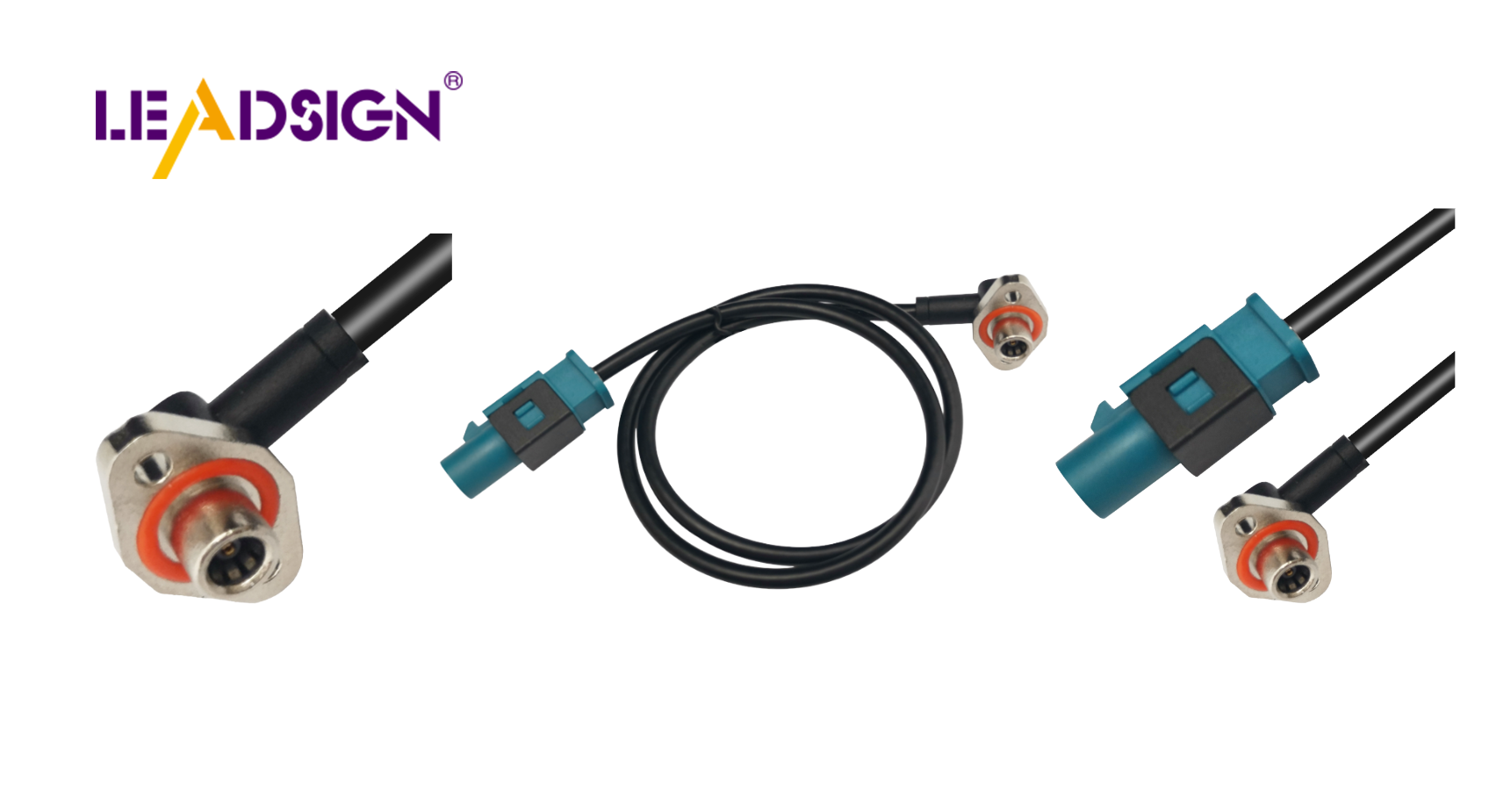
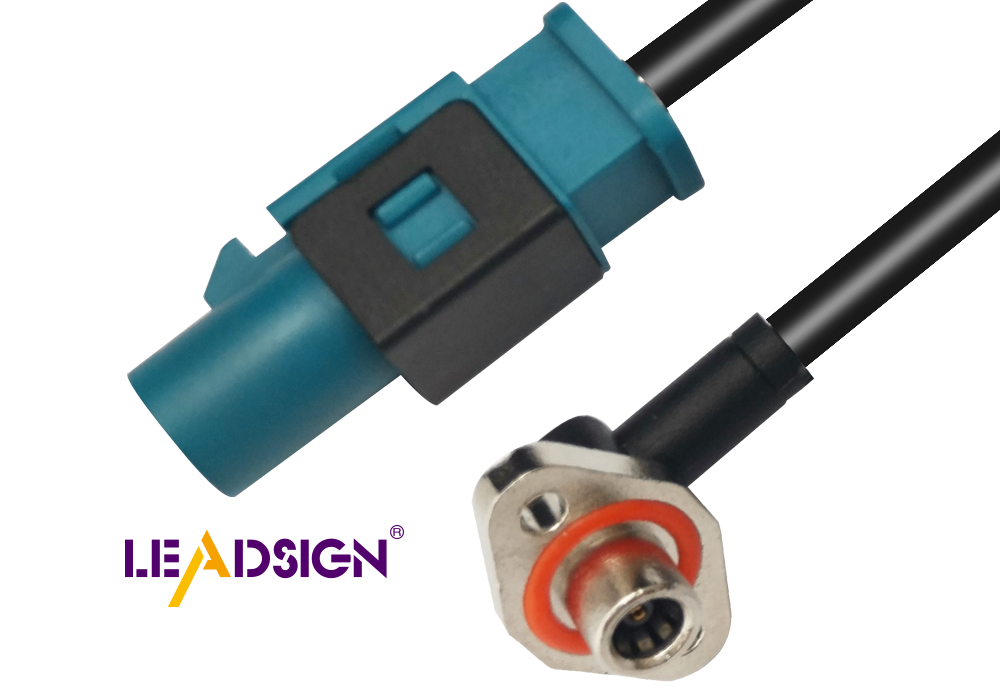
Connector Standards: FAKRA, HSD, and waterproof sealed connectors for high-speed data and wet environments.
Certifications: IATF 16949, RoHS, REACH, and UN ECE R155 where applicable.
Lightweighting Options: Aluminum alloy conductors and thin-wall insulation to meet OEM weight targets.
Aftermarket Ready: Pre-cut, labeled kits with installation instructions reduce return rates and support tickets.
About Our Supply
We specialize in automotive electronics for global B2B buyers: car infotainment systems, harness connectors, reversing cameras, and custom cable assemblies. Our wiring solutions are IATF 16949 certified and available in OFC, aluminum alloy, and shielded configurations. We provide free cut samples, full material certifications, and OEM/ODM support. Let’s discuss your next RFQ.
Hashtags:
#AutomotiveWiring #WireHarness #EVComponents #ADASTechnology #OxygenFreeCopper #IATF16949 #FleetSolutions #CarElectronics #WholesaleAutoParts #HarnessManufacturer
See Also
Boosting Automotive Data Flow With High-Speed Connectors
Fakra Connectors: Essential Components for Today's Vehicles
Improving Automotive Data Transfer With Advanced Cables