Discover the Best RJ45 Connectors for High‑Speed Internet – Professional B2B Guide (2026)

Intro: The Right RJ45 Connector Maximises Throughput and Reliability
RJ45 connectors are the foundation of every wired Ethernet network – from small offices and smart homes to industrial automation and even some automotive applications (e.g., diagnostic interfaces). Selecting the correct connector type (Cat5e, Cat6, Cat6a, shielded vs. unshielded) directly impacts data transfer rates, signal integrity, and long‑term reliability. With speeds up to 10 Gbps and beyond, a poor connector can introduce crosstalk, signal loss, and intermittent connectivity. This guide covers RJ45 connector basics, performance differences, shielding options, and selection criteria to help you choose the best connector for your high‑speed network.
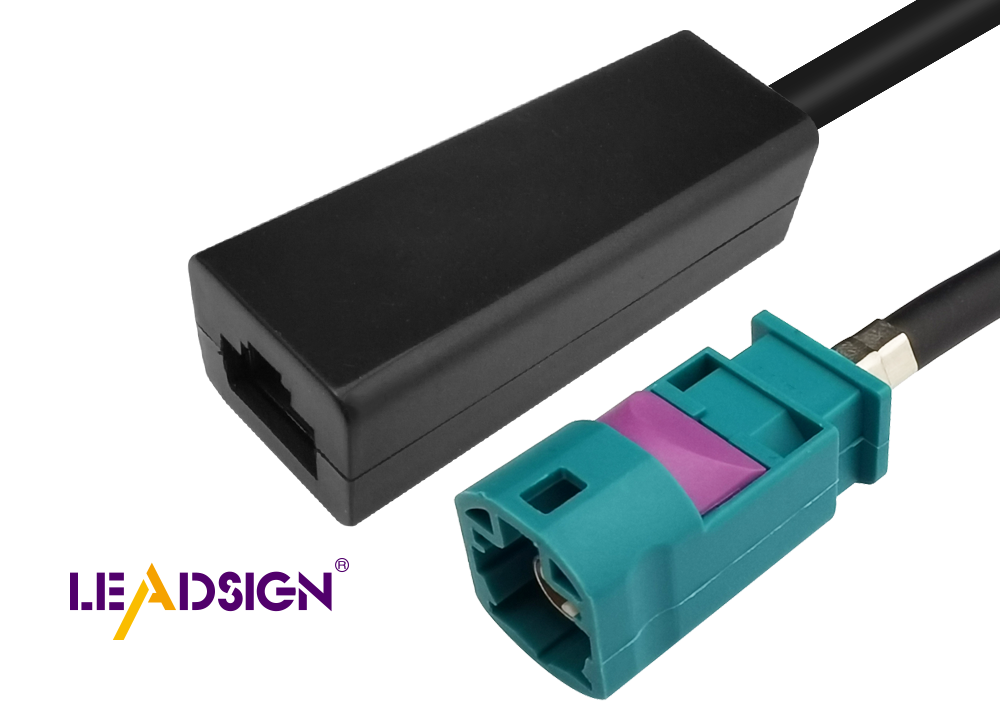
1. What Are RJ45 Connectors? – Role in High‑Speed Ethernet
RJ45 (Registered Jack 45) connectors terminate twisted‑pair Ethernet cables (Cat5e, Cat6, Cat6a, Cat7, Cat8). They are used in:
Home & office networks – connecting PCs, routers, switches, printers.
Data centres – server to switch links.
Industrial automation – PROFINET, EtherNet/IP.
Automotive diagnostics – OBD‑II to Ethernet adapters (rare but exists).
Security systems – IP cameras, access control.
Why they matter for high‑speed internet: A well‑terminated RJ45 connector ensures minimal insertion loss, return loss, and near‑end crosstalk (NEXT), enabling full gigabit (1 Gbps) or 10‑gigabit (10 Gbps) performance.
2. RJ45 Connector Performance – Cat5e vs. Cat6 vs. Cat6a
Cable category | Max frequency | Max data rate (typical) | Typical use | RJ45 connector requirement |
|---|---|---|---|---|
Cat5e | 100 MHz | 1 Gbps | Home, small office | Unshielded (UTP) or shielded |
Cat6 | 250 MHz | 10 Gbps (up to 55m) | Enterprise, gaming, streaming | Shielded (STP) recommended for 10G |
Cat6a | 500 MHz | 10 Gbps (100m) | Data centres, high‑EMI environments | Shielded (STP) mandatory for full spec |
Key insight: Using a Cat5e connector on a Cat6 cable will limit performance to Cat5e levels. Always match the connector category to the cable category.
3. Shielded (STP) vs. Unshielded (UTP) RJ45 Connectors
Feature | Unshielded (UTP) | Shielded (STP) |
|---|---|---|
Construction | Plastic housing, no metal shield | Metal housing (zinc, nickel) with grounding |
EMI/RFI rejection | Low | High – essential near motors, VFDs, radio transmitters |
Grounding required | No | Yes – connector shield must connect to cable shield and earth ground |
Cost | Lower | Higher |
Installation difficulty | Easy | Moderate (requires continuity of shield) |
Best for | Homes, offices (low EMI) | Factories, data centres, near electrical panels |
Rule: If your cable has a shield (foil or braid), you must use shielded RJ45 connectors and ground the shield. Otherwise, the shield acts as an antenna and makes interference worse.
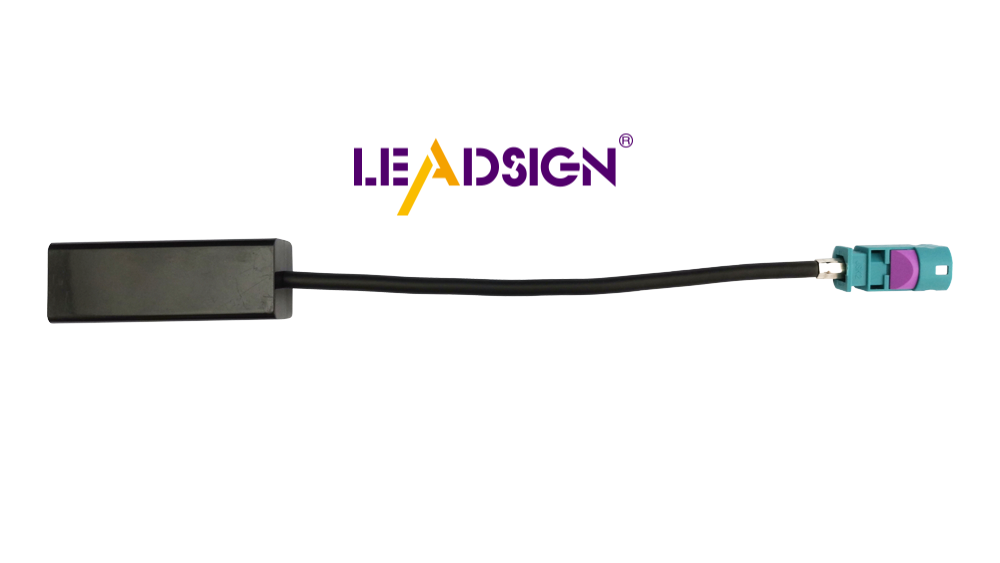
4. Key Features to Look for in High‑Quality RJ45 Connectors
Feature | Why it matters |
|---|---|
Gold‑plated contacts (50µ” or more) | Prevents corrosion, reduces contact resistance. |
Staggered pin arrangement | Reduces NEXT (near‑end crosstalk) at high frequencies. |
Clear plastic housing (for Cat5e/6) | Allows visual verification of wire order before crimping. |
Integrated load bar | Separates twisted pairs, improves consistency. |
Strain relief boot | Protects the connector from cable bending and pulling. |
UL / ETL listed | Ensures safety and performance compliance. |
Pro tip: For outdoor or industrial environments, use shielded connectors with waterproof boots or gel‑filled connectors.
5. Common Applications – Where RJ45 Connectors Are Used
Application | Recommended connector type | Notes |
|---|---|---|
Home network (Cat5e/Cat6, <55m) | UTP Cat6 (shielded optional) | Cost‑effective, easy to terminate. |
Office / enterprise (Cat6a, 10G) | Shielded (STP) Cat6a | Prevents crosstalk in high‑density cable bundles. |
Data centre (Cat6a / Cat8) | Shielded (STP), high‑frequency rated | Low insertion loss, high return loss. |
Industrial (factory, outdoor) | Shielded (STP) with IP20 or IP67 housing | Resists EMI, dust, moisture (use sealed boots). |
Automotive diagnostic (OBD‑II to RJ45) | Shielded, rugged | Limited use; often a pre‑made adapter cable. |
6. How to Choose the Right RJ45 Connector – Selection Checklist
Step | Factor | Action |
|---|---|---|
1 | Cable category (Cat5e, Cat6, Cat6a) | Match connector category to cable. |
2 | Shielding (UTP vs. STP) | Use shielded if environment has EMI or cable is shielded. |
3 | Installation environment | Indoor (UTP) vs. outdoor/industrial (shielded + sealed). |
4 | Termination method | Standard crimp (most common) or tool‑less. |
5 | Volume | For large jobs (>100 connectors), choose convenient pass‑through (EZ‑RJ45) style. |
Pro tip for beginners: Use pass‑through (EZ‑RJ45) connectors – they allow wires to be pushed through the front, making it easier to verify the order before crimping.
7. Top RJ45 Connector Brands (for reference)
TE Connectivity – Industrial grade, wide variety.
Amphenol – High‑reliability, ruggedised.
Belden – Premium performance for data centres.
Panduit – Tool‑less and high‑density solutions.
LEADSIGN – Offers pre‑terminated Ethernet cables (RJ45 to RJ45) for automotive and industrial test applications.
For most network installations, high‑quality third‑party connectors with gold plating and load bars perform reliably at a lower cost.
8. Frequently Asked Questions (FAQ)
Q: Can I use a Cat6 connector on a Cat5e cable?
A: Yes, it will work, but performance is limited to Cat5e. No harm.
Q: Do I need shielded connectors for home use?
A: Not usually – only if cables run parallel to power lines or near heavy machinery.
Q: What is the difference between standard and pass‑through RJ45 connectors?
A: Pass‑through (EZ‑RJ45) allows wires to exit the front, making it easier to verify the colour order before crimping. The excess wire is cut off during crimping.
Q: How many times can I reuse an RJ45 connector?
A: RJ45 connectors are designed for one‑time use. Re‑crimping the same connector may damage the contacts.
Q: What causes intermittent connection after crimping?
A: Poor contact (insufficient crimp), broken wire, or mismatched wire order. Use a cable tester to verify.
Final Recommendations – RJ45 Connector Selection Summary
Network speed | Cable type | Recommended connector | Shielding |
|---|---|---|---|
1 Gbps | Cat5e | UTP Cat5e | None |
1 Gbps (future‑proof) | Cat6 | UTP Cat6 | Optional |
10 Gbps (short runs, ≤55m) | Cat6 | STP Cat6 (shielded) | Yes |
10 Gbps (long runs, ≤100m) | Cat6a | STP Cat6a | Yes (mandatory) |
Remember: A high‑quality RJ45 connector is the last metre of your network. Invest in gold‑plated, load‑bar‑equipped connectors, use a proper crimping tool, and always test each cable after termination.
Need pre‑terminated Ethernet cables for automotive or industrial use?
[Contact LEADSIGN for custom length RJ45 cables with shielded connectors] | [Get bulk pricing]
See Also
Maximizing Automotive Data Transfer: Cutting-Edge Connectors and Cables
Improving Auto Data Transfer: Innovative Connectors and Cables
Unleashing Fast Data Transfer with Mini-FAKRA Connectors
Exploring Benefits of Mini-FAKRA Connectors for Fast Data Transfer