Wire Tape vs. Connectors: What Fleets & Shops Need in 2026

Intro: The $2 Billion Cost of Bad Wiring
Loose wires, chafed insulation, and water intrusion are the top three causes of aftermarket electrical failures. According to a 2025 fleet maintenance study, nearly 25% of electrical callbacks trace back to improper wire protection — not the device itself.
For a workshop or fleet, that means:
Repeat repairs (lost labor & reputation)
Safety hazards (short circuits, fires)
Camera / infotainment dropouts (driver distraction)
Wire tape (electrical tape) is the simplest, most cost‑effective solution — but not all tapes are equal. In this guide, you’ll learn which tape types work for engine bays, camera harnesses, and interior wiring, and when to use tape instead of (or alongside) connectors.
1. What Is Wire Tape – And Why Does It Still Matter in 2026?
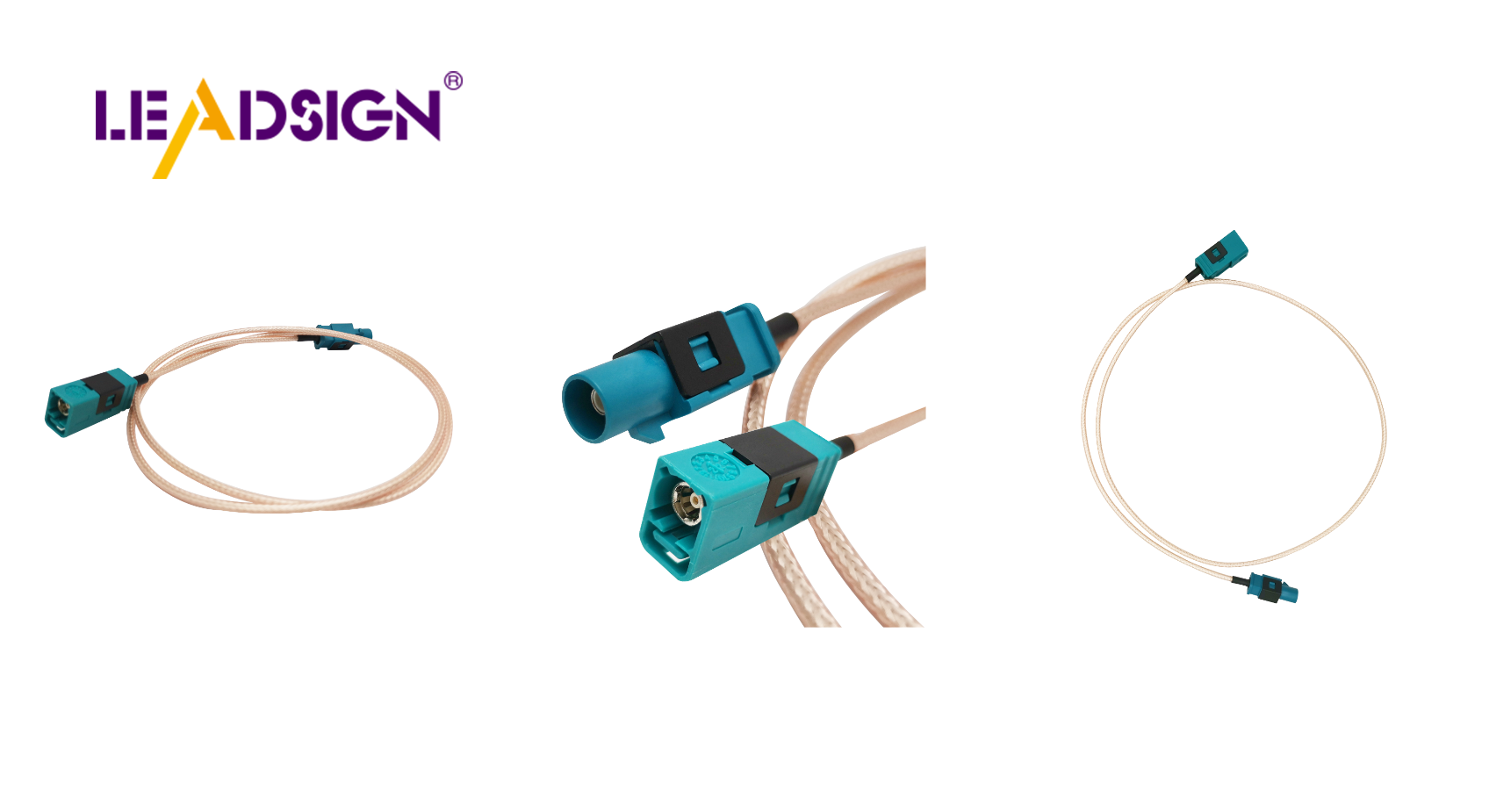
Wire tape, or electrical tape, is an insulating wrap that protects bare wires, secures harnesses, and provides environmental sealing. With the rise of high‑speed data cables (HSD, FAKRA) and sealed connectors, some shops think tape is obsolete. Wrong.
Modern vehicles still have hundreds of low‑voltage circuits (lights, sensors, power, ground) where tape is faster, cheaper, and more flexible than a connector. The key is using the right tape for the right location.
Three main tape types for automotive (updated 2026):
Tape Type | Best For | Key Property |
|---|---|---|
PVC (Vinyl) | Interior wiring, radio harnesses, bundle wrapping | Flexible, moisture‑resistant, good dielectric strength |
Fabric (Cloth) | Engine bay, door looms, anti‑chafe | High heat tolerance, abrasion‑resistant, breathable |
Self‑fusing Silicone | Exterior sensors, camera cables, emergency repair | Seals to itself, extreme temp range (-50°C to +260°C), waterproof |
B2B takeaway: Stock all three types. One roll of fabric tape can prevent a repeat engine harness failure; silicone tape saves a camera installation that would otherwise fail in rain.
2. Key Benefits of Wire Tape for Car Electrical Systems (B2B Focus)
✅ Prevents Short Circuits & Chafing
Wires rub against metal edges, brackets, and other harnesses. Over time, insulation wears through → intermittent shorts → blown fuses or module damage.
Tape acts as a sacrificial layer. Fabric tape is especially good for high‑vibration areas (engine, suspension).
✅ Seals Against Moisture & Corrosion
Water ingress at a splice or a cracked connector shell leads to green corrosion, increased resistance, and eventual failure.
Self‑fusing silicone tape creates a watertight, airtight seal – ideal for:
Underbody reverse camera connections
Trailer wiring junctions
Exterior sensor pigtails
✅ Easy & Fast Installation – No Special Tools
Unlike crimping or soldering, tape requires only scissors or a knife. For quick field repairs, a roll of PVC tape fits in any glovebox or toolkit.
Labour saving: Taping a harness takes 30 seconds vs. 5 minutes to install a moulded boot.
✅ Cost‑Effective – Long Service Life
A roll of quality PVC tape costs 3‑5andcanprotectdozensofconnections.Replacingacorrodedconnectororameltedharnesscosts3‑5andcanprotectdozensofconnections.Replacingacorrodedconnectororameltedharnesscosts50‑200 in parts + labour.
For fleet maintenance: Scheduled re‑taping of high‑wear areas (door looms, trunk hinges) extends harness life by years.
3. Where Should You Use Wire Tape? (Application Guide)
🔹 Bundling & Organising Wires
After installing an aftermarket radio or camera, you often have extra wires (steering wheel control, reverse trigger, power, ground). Tape ties them into a neat harness – preventing rattles and chafing.
🔹 Repairing Damaged Insulation
A clamp, screw, or bracket has nicked a wire. Instead of cutting and splicing (which adds two failure points), wrap the damaged area with two layers of PVC or silicone tape. This restores insulation integrity.
🔹 Securing Loose Connectors
Some connectors (especially older blade or bullet types) don’t lock firmly. Wrapping tape around the connector shell and wiring provides strain relief and prevents vibration disconnection.
🔹 Protecting Splices & Crimps
Even a perfect crimp butt connector can wick moisture from the exposed wire ends. Wrap each crimp with self‑fusing silicone tape to achieve an IP67‑rated seal – essential for camera and sensor circuits.
Pro Tip for Shops: When installing our reverse cameras or car multimedia units, always tape the following:
The crimp joint where the camera power wire connects to reverse light positive
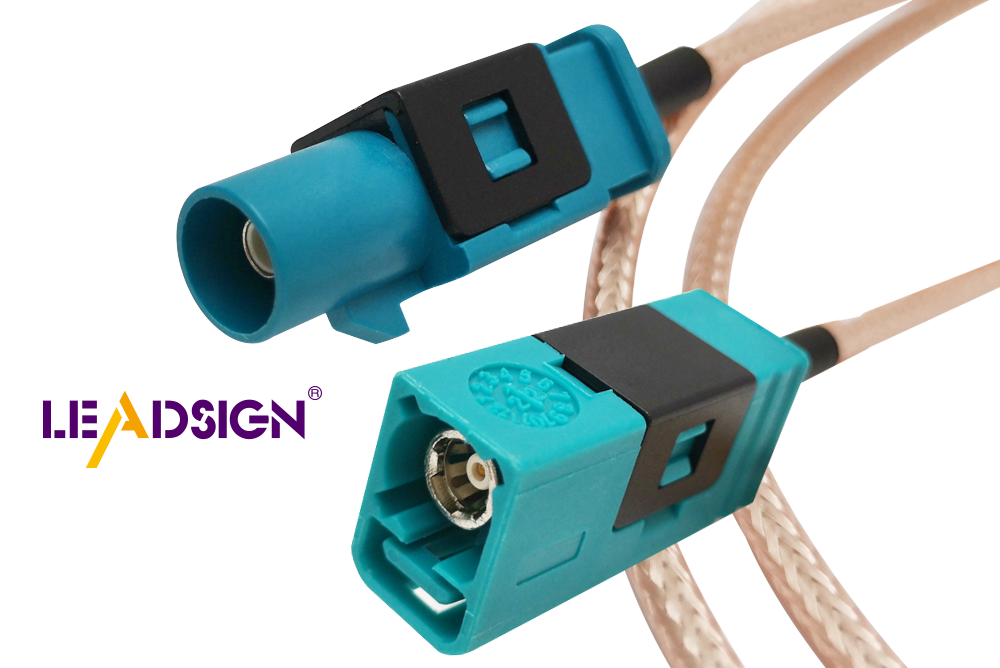
The entire FAKRA connector backshell (prevents dust ingress)
Wire bundles that pass through grommets (tape smooths the bundle, preventing grommet tear)
4. Wire Tape vs. Connectors – When to Use Which?
Many beginners think tape replaces connectors. It doesn’t. They are complementary.
Feature | Wire Tape | Connector (Butt / Bullet / FAKRA) |
|---|---|---|
Primary function | Insulation, sealing, bundling | Reliable electrical join (detachable) |
Removable? | Yes (cut tape) | Yes (unplug) |
Waterproof? | Only silicone tape gives full seal | IP67 connectors exist |
Vibration resistance | Good (tape holds wires) | Excellent (positive locking) |
Best use | Protection, repair, bundling | Joining wires, modular installation |
Rule of thumb:
Use tape to protect, bundle, and seal.
Use connectors to join and allow disconnection.
For camera & sensor wires: crimp + silicone tape over the connector → best of both worlds.
5. Three Common Mistakes (And How to Avoid Them)
Mistake | Consequence | Correct Practice |
|---|---|---|
Using PVC tape in engine bay | Tape softens, adhesive migrates, leaves sticky residue | Use fabric (cloth) tape – heat resistant, non‑melt |
Over‑stretching tape | Thins the insulation, reduces dielectric strength | Stretch only 10‑20% while wrapping |
No “flag” or pull‑tab for removal | Tape bonds to itself, hard to remove without cutting | Fold the last 1 cm back onto itself to create a tab |
Quality tip for buyers: Cheap tape from discount stores lacks UV resistance and temperature rating. Always purchase automotive‑grade tape (e.g., 3M Super 88, Tesa 51026, or certified equivalents). We supply OEM‑grade PVC and cloth tape in bulk rolls for repair chains.
6. How to Choose the Right Wire Tape – B2B Checklist
When ordering wire tape for your shop or fleet, ask these questions:
Temperature range: Does it handle -40°C to +105°C (engine bay) or just -10°C to +80°C (cabin)?
Abrasion resistance: Cloth tape is best where wires move against metal.
Adhesive type: Rubber‑based adhesive stays flexible; acrylic adhesive may harden.
UV resistance: Essential for exterior applications (engine bay, underbody).
Dielectric strength: Minimum 10 kV for automotive 12V/24V systems (most PVC tapes meet this, but verify).
Proven brands for professional use:
3M (Super 33+, Super 88) – industry standard PVC
Tesa (51026 cloth tape, 51608 PET fleece)
Nitto (No. 21, No. 223S)
Generic OEM‑grade – we offer equivalent rolls at 40% lower cost for volume buyers.
7. 2026 Trends That Affect Wire Tape Selection
EV & hybrid engine bays – Higher underhood temperatures (up to 125°C) require silicone or high‑temp cloth tape. PVC will soften and fail.
ADAS camera harnesses – These must be wrapped with EMI‑attenuating tape (foil‑backed) to prevent interference from nearby power cables. Standard cloth tape is not enough.
Wireless charging & data cables – Thicker harnesses for USB‑C and HDMI require low‑friction wrap tape to allow bundles to slide inside conduits.
Sustainability requirements – Some fleets now ask for halogen‑free and recyclable tape materials. We offer eco‑friendly PVC‑free options.
Final Recommendations for B2B Buyers
Application | Recommended Tape Type | Why |
|---|---|---|
Engine harness, fuse box | Fabric (cloth) tape | Heat resistant, abrasion‑proof |
Interior radio / camera wires | PVC tape (vinyl) | Flexible, good insulation |
Exterior sensor / splice sealing | Self‑fusing silicone tape | Waterproof, extreme temp range |
ADAS / coaxial cable shielding | Foil‑backed cloth tape | EMI reduction + abrasion |
Why buy wire tape from us?
✅ Automotive‑grade materials (OEM specifications)
✅ Bulk rolls (10m, 20m, 50m) for shop efficiency
✅ Pre‑cut lengths available for install kits
✅ Combine with our connectors, cameras and car multimedia for one‑stop sourcing
See Also
Discovering The Advantages Of Fakra Connectors In Vehicles
Enhancing Data Transfer In Vehicles With Advanced Connectors
Revealing The Benefits Of Mini Fakra Connectors For Cars
Understanding The Advantages Of FAKRA PCB Connectors In Cars
Exploring The Benefits Of Mini FAKRA Connectors In Today's Cars