Understanding Automotive Wiring Connectors – Complete Beginner’s Guide (2026)

Intro: The Right Connector Makes All the Difference
Automotive wiring connectors are essential components that support your car’s electrical system. Many beginners struggle with choosing the right connector. Selecting the correct connector improves electrical stability and reduces the risk of failure, allowing your vehicle to perform at its best.
In this guide, you will learn:
What automotive wiring connectors are and why they matter
Different types, colours, shapes, and materials
How to choose the right connector based on purpose, current, voltage, and environment
Proper installation and maintenance tips
The role of high‑speed data connectors (FAKRA, HSD) in modern vehicles
Why LEADSIGN is a trusted brand for advanced automotive connectors
1. What Are Automotive Wiring Connectors?
Automotive wiring connectors join electrical wires inside a vehicle, ensuring reliable transmission of electrical signals and power. They support various functions – engine control, lights, air conditioning, infotainment, and safety systems.
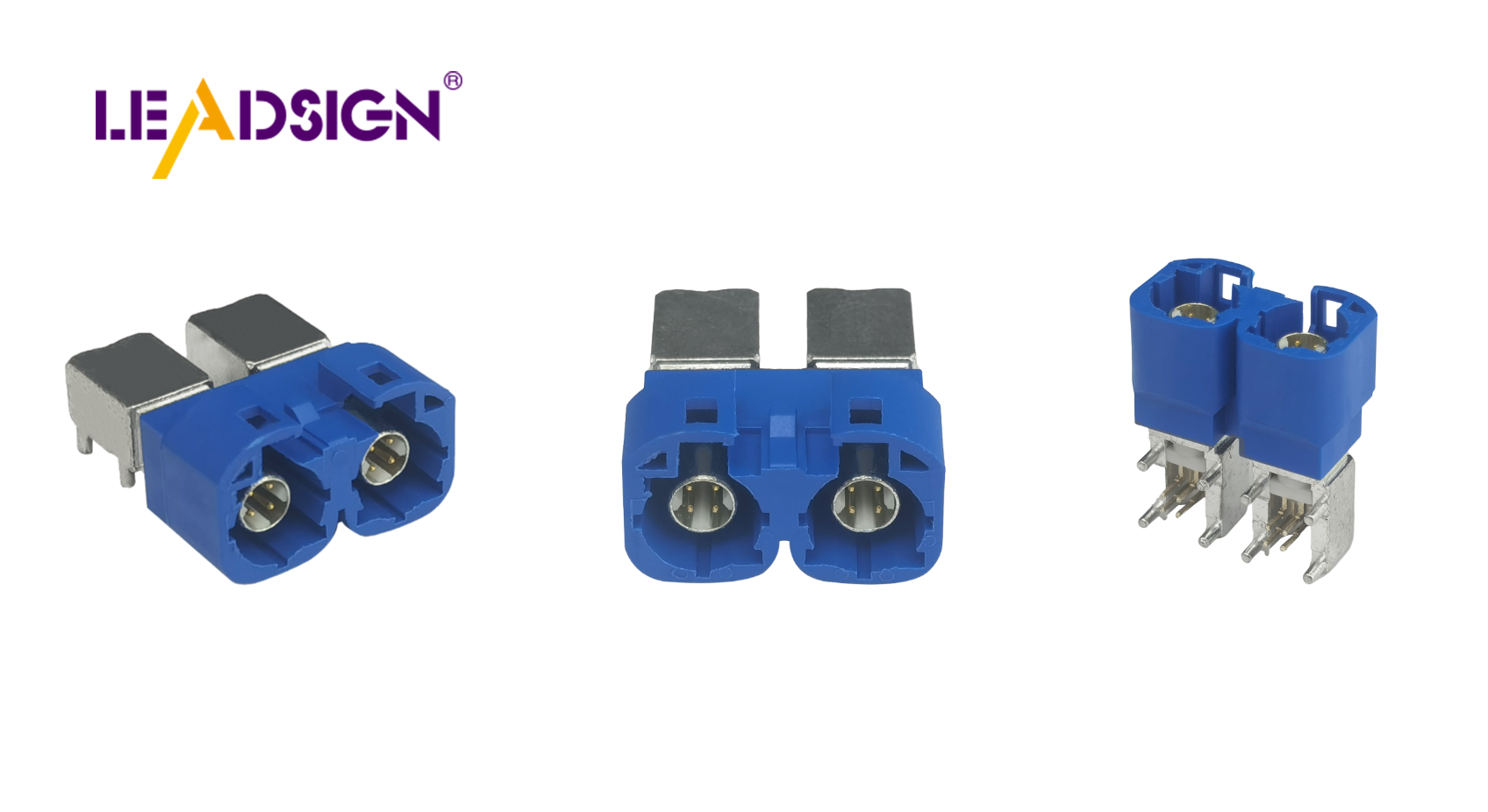
Basic structure: A plastic housing protects metal terminals and secures the connection. Many connectors feature locking mechanisms and colour coding to prevent mismating, making them easy for beginners to handle.
Tip: When selecting a connector, always check that it is rated for the current and voltage of your circuit.
2. Why Automotive Connectors Matter
Connectors directly affect vehicle safety and performance. If electrical signals do not transmit correctly to systems such as the engine or brakes, serious problems can occur.
High‑quality connectors improve durability and reliability. Products with heat resistance and waterproofing perform consistently in harsh environments, extending vehicle life and reducing maintenance.
3. Types & Features of Automotive Wiring Connectors
🔹 Colour Coding – What It Means
Many automotive connectors are colour‑coded to indicate wire size.
Colour | Wire Size (sq mm) | Typical Use |
|---|---|---|
Red | 0.5 – 0.85 | General wiring |
White | 0.2 – 0.3 | Thin wires (e.g., ETC devices) |
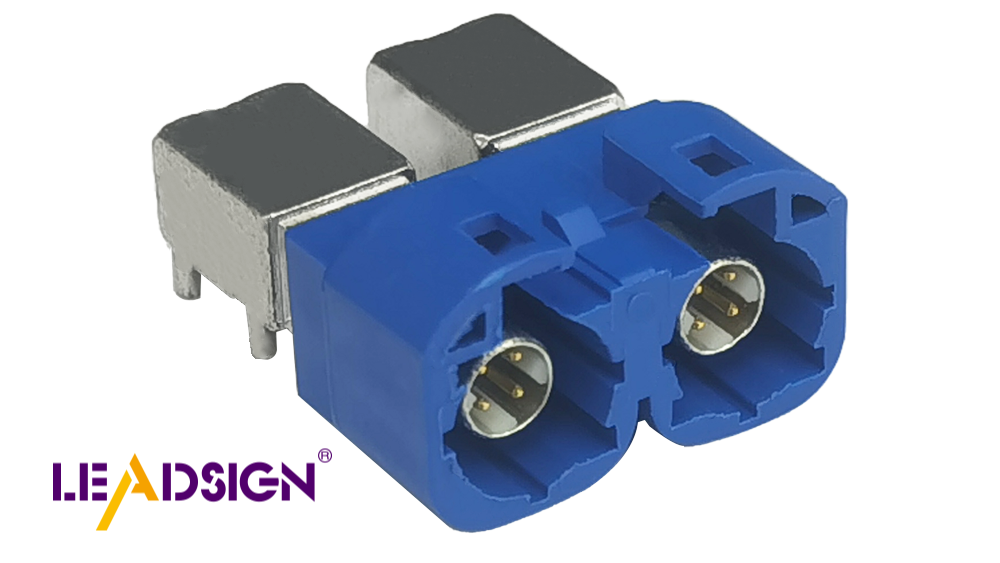
Blue | 1.25 – 2 | Largest size, for heavier circuits |
Tip: Checking the colour helps you avoid selecting the wrong connector.
🔹 Size & Shape Differences
Connectors come in various sizes and shapes to accommodate different wires and devices. For example, locking connectors prevent disconnection due to vibration. Understanding the shape ensures safer, more efficient connections.
🔹 Materials & Durability
Material choice greatly affects performance in different environments. Heat‑resistant and waterproof materials ensure stable operation under harsh conditions. Plastic housings are lightweight and durable, while metal terminals efficiently conduct electrical signals.
Durable connectors resist degradation over time, reducing maintenance frequency and extending vehicle life.
4. How to Choose the Right Automotive Wiring Connector
🔹 Based on Purpose
First, clarify the application. For critical systems (engine control, brakes), choose high‑reliability connectors. For accessories (navigation, speakers), simpler connectors often suffice.
For data communication (USB, Ethernet), select high‑speed data connectors such as LEADSIGN HSD connectors.
🔹 Current & Voltage Ratings
Always check that the connector’s current and voltage ratings match your circuit. Using an undersized connector can cause overheating or failure.
🔹 Environmental Conditions – Waterproof & Heat Resistance
Vehicles are exposed to rain, high temperatures, and dust. Choose connectors with waterproofing (IP67/IP69K) and heat resistance (up to 125°C), especially for engine bay or exterior locations.
Note: Using a non‑waterproof connector in an exposed area will lead to corrosion and failure within months.
5. Proper Usage & Maintenance
🔹 Preventing Poor Connections – Basic Steps
Strip the wire insulation carefully without nicking the copper.
Insert the exposed wire firmly into the terminal.
Secure the connector so the connection is stable.
Following these steps ensures smooth signal transmission and prevents trouble.
🔹 Installation Tips
Insert the wire correctly into the connector body.
Even when insulation stripping is not required, ensure the wire is fully seated.
Pay attention to connector orientation to avoid misconnection.
🔹 Maintenance & Regular Inspection
Regular inspection prevents corrosion and loose contacts. Check connectors every 6–12 months. Clean with electrical contact cleaner and apply dielectric grease to seals only.
Caution: During inspection, focus on looseness and dirt buildup.
6. High‑Speed Data Connectors – FAKRA & HSD
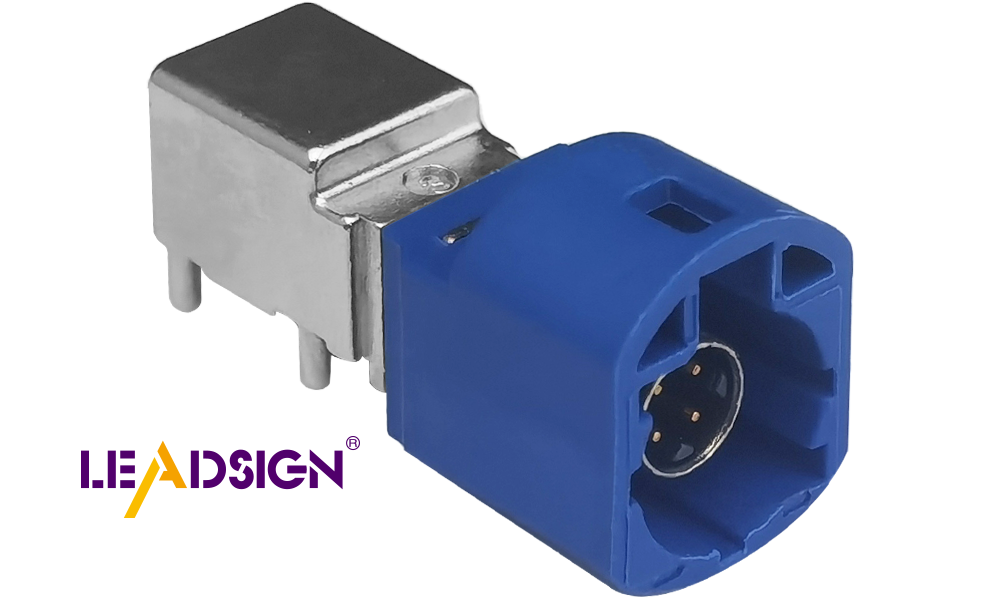
Modern vehicles use FAKRA (50Ω RF, colour‑coded for GPS, camera, antenna) and HSD (100Ω differential for USB‑C, Ethernet) connectors. These are essential for backup cameras, GPS navigation, 5G telematics, and ADAS.
LEADSIGN offers pre‑terminated FAKRA and HSD cables in custom lengths – no field crimping, no signal loss.
7. Why LEADSIGN Connectors Stand Out
LEADSIGN specialises in FAKRA, Mini FAKRA, and HSD connectors for advanced automotive systems.
What LEADSIGN provides:
✅ FAKRA (standard & Mini) – all 14 colours, 50Ω, up to 20 GHz, IP67 optional
✅ HSD (USB‑C, Ethernet, LVDS) – 100Ω, locking, up to 5 Gbps
✅ Pre‑terminated cables – custom lengths 0.3m – 20m, no crimping
✅ Low‑loss, double‑shielded coax – for long runs and EV environments
✅ Bulk pricing for shops, fleets, and distributors
Final Recommendations – For Beginners
Application | Recommended Connector | Source |
|---|---|---|
General interior wiring (lights, switches) | Red/blue crimp connectors (unsealed) | Any auto parts supplier |
Engine bay sensors / power | Sealed Deutsch or Weather Pack | TE, Deutsch |
GPS antenna | FAKRA amber (50Ω) | LEADSIGN pre‑terminated |
Backup camera (1080p) | FAKRA blue (50Ω coax) | LEADSIGN |
4K camera / 5G antenna | Mini FAKRA (blue or violet) | LEADSIGN |
USB‑C CarPlay | HSD USB‑C (locking) | LEADSIGN |
Remember: Understanding the basics of automotive wiring connectors will help you make better choices, improve your vehicle’s electrical system, and enjoy a safer, more reliable drive.
Ready to upgrade your connector knowledge and inventory?